


Diagnostic explorer
Where
does it hurt?
Seven regions, seven sets of patterns. Scroll the body, or jump straight to the area that is troubling you.
Wheredoes ithurt?
Scroll through the body. Each region carries its own patterns, its own tests and its own treatment path.
01 / 07
01 — Region
Shoulder
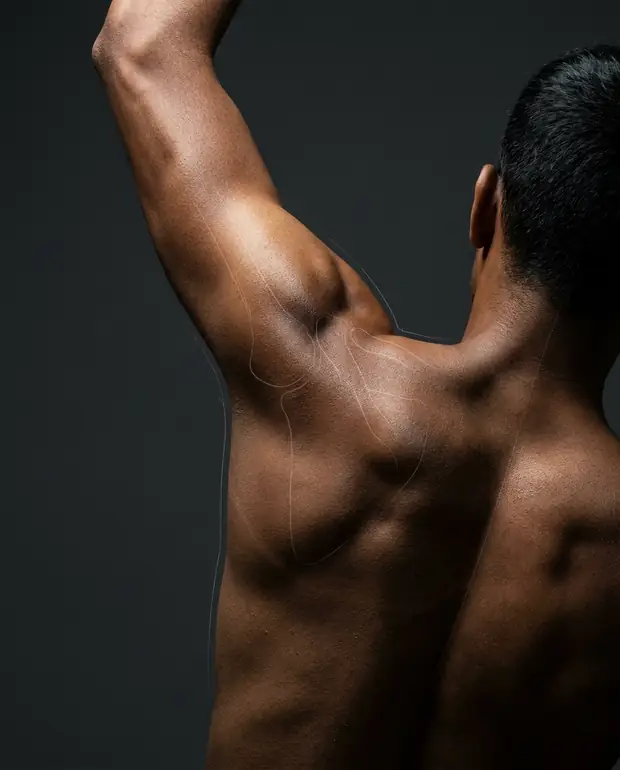
Shoulder pain is rarely just muscular. Stiffness that grows over months, a catch when you reach overhead, or weakness after a fall each point somewhere different.
Go straight to a region
Knee
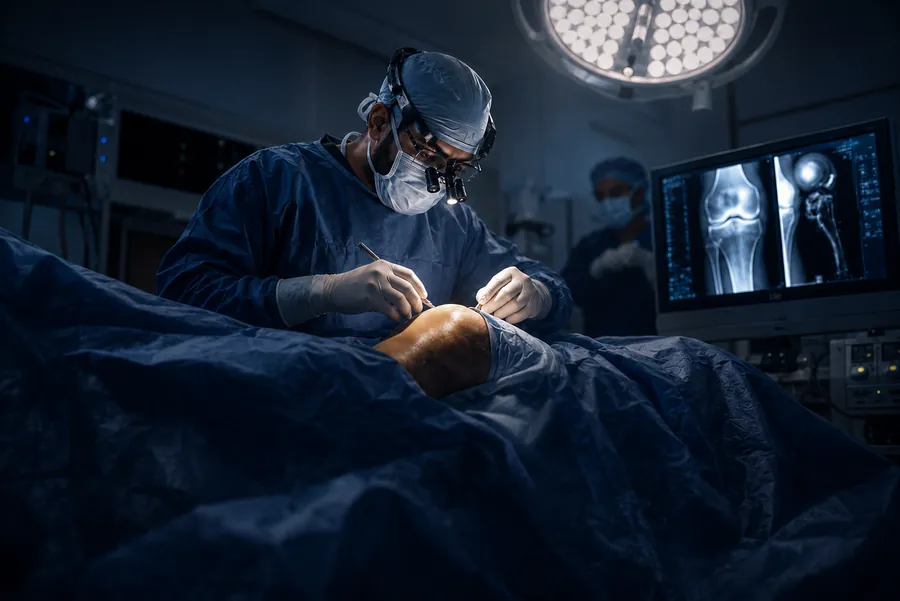
Knee pain is the single most common reason people come to an orthopaedic clinic, and it is also the most treatable when the cause is named accurately.
Shoulder
A painful shoulder narrows life quietly: dressing, driving, sleeping on one side. The pattern of restriction usually reveals the diagnosis before any scan.
Spine & Back
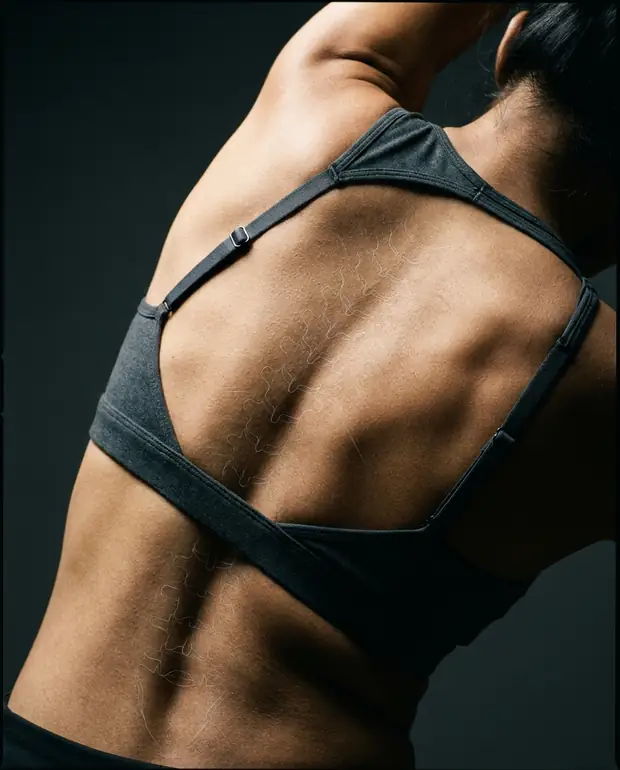
Back pain is common, usually mechanical, and usually improves. The purpose of assessment is to confirm that, and to identify the minority who need more.
Hip
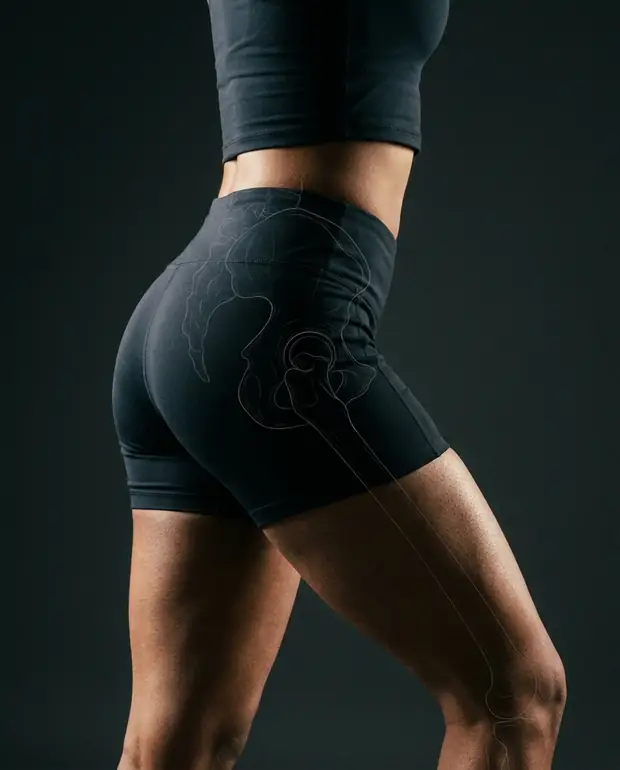
True hip pain is often felt in the groin or thigh rather than over the side of the hip, which is why it is so frequently mistaken for a back problem.
Elbow
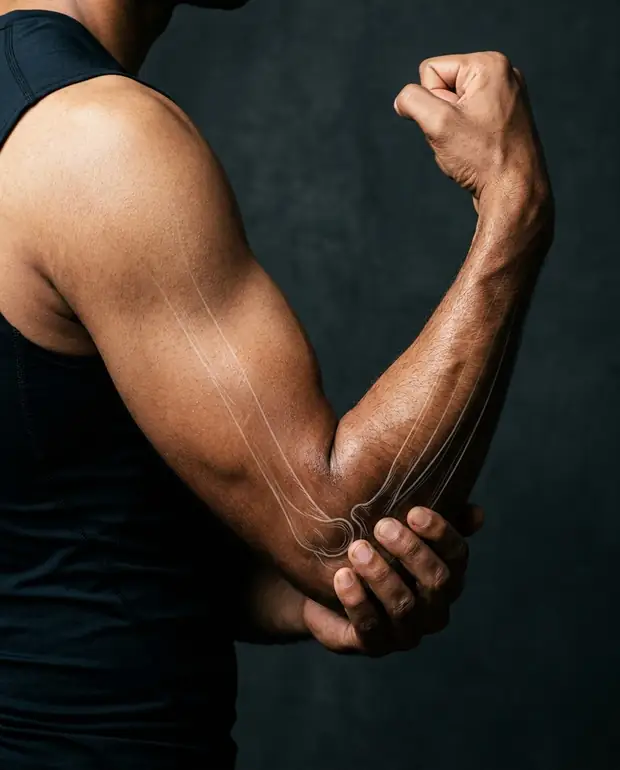
Elbow pain is usually a load problem rather than a joint problem, and it responds well to correcting how the arm is being used.
Wrist & Hand
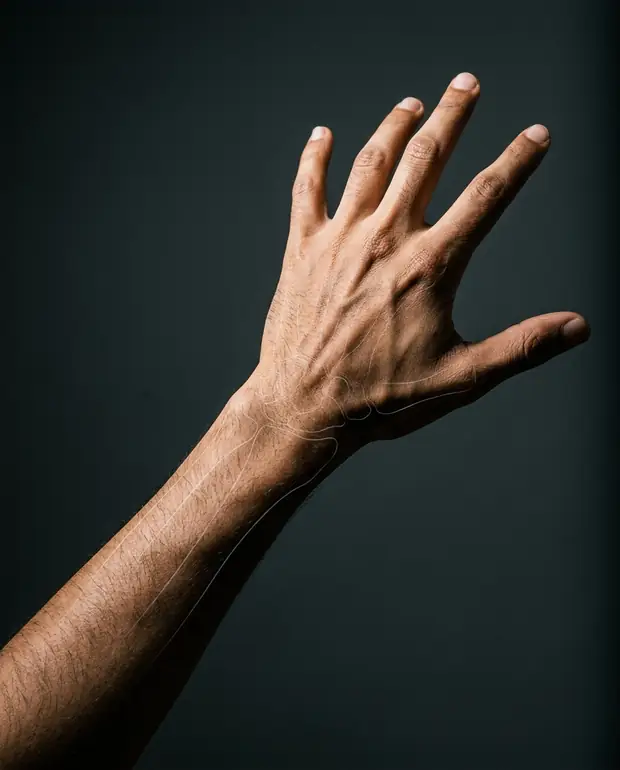
Hands are unforgiving of delay. Small problems become disabling quickly, and early treatment usually keeps the solution simple.
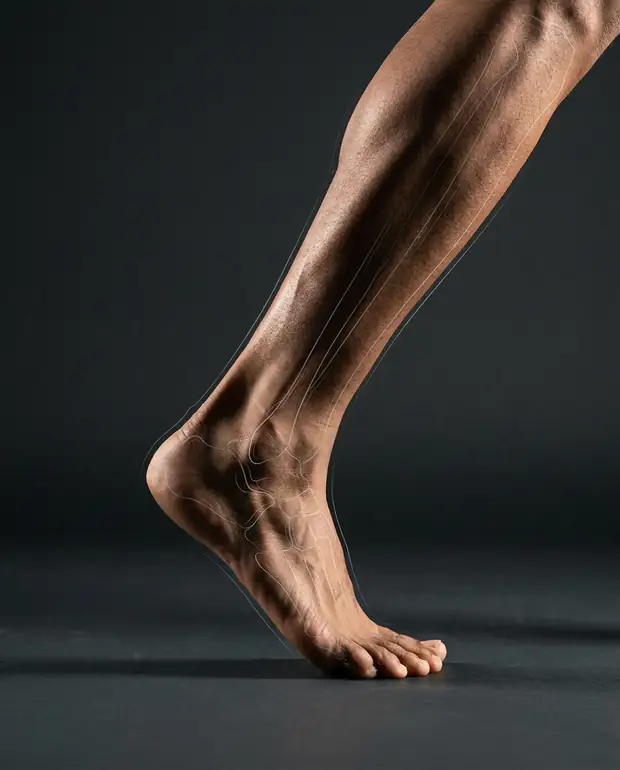
Ankle / Foot
Feet absorb every step of the day, so small mechanical faults show up as persistent pain. Most respond to load management, footwear and targeted strengthening.
Describe it
to a specialist.
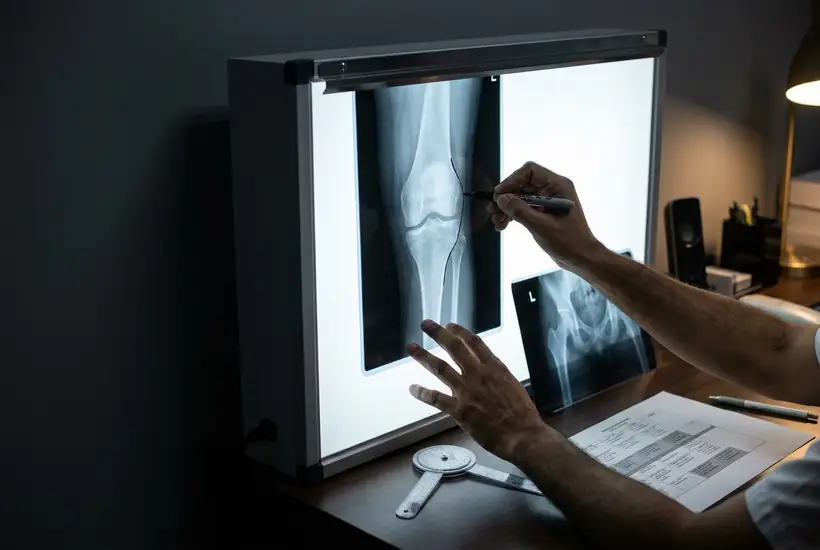
Bring your previous X-rays, MRI films and reports if you have them. If you do not, we will start from the beginning.