
Knee · 01
Knee
Care
Precise diagnosis and treatment designed to restore confident movement, from early arthritis to sports injury.
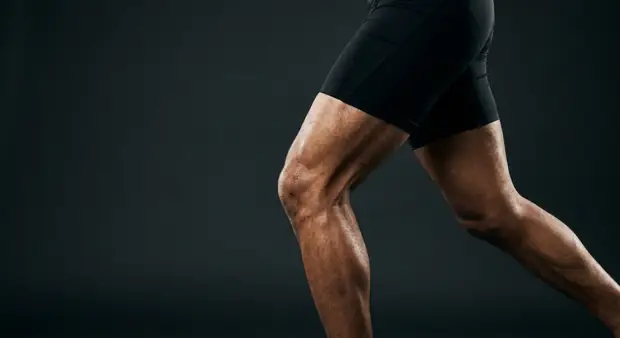
The knee carries several times your body weight with every step, and it reports trouble early. Cartilage wear, a torn meniscus, ligament instability and kneecap maltracking can all present simply as knee pain, yet each needs a different plan.
Related reading: Knee pain on stairs: what it means →
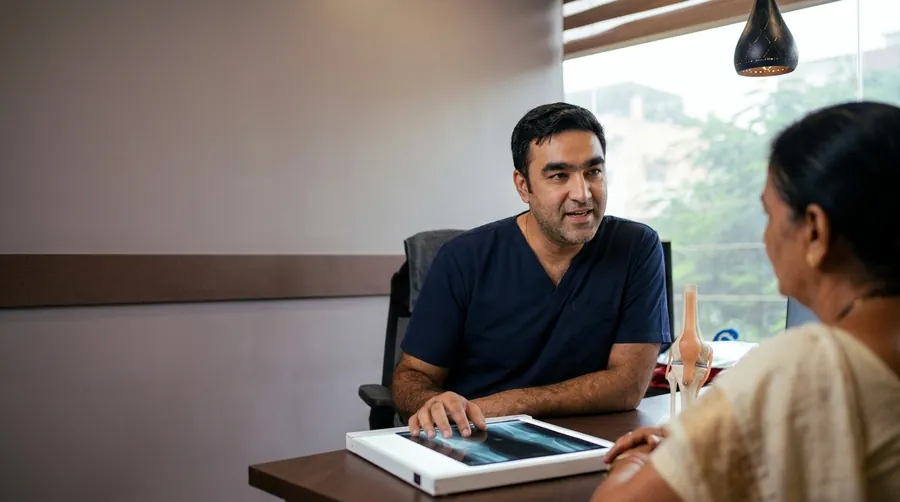
Careful examination usually identifies the structure at fault before imaging confirms it. That matters, because treating the wrong structure is the most common reason knee pain comes back.
Symptoms we look for
- Pain on stairs, slopes, or after sitting for long periods
- Swelling that returns after activity
- A sense of the knee giving way, or not being trusted
- Locking, catching, or an inability to fully straighten
- Morning stiffness that eases with movement
- Grinding with squatting
When to see an orthopaedic specialist
- Swelling appears within hours of an injury
- You cannot bear weight, or the knee gives way repeatedly
- Pain has lasted more than three weeks despite rest and medication
- Night pain or visible deformity is developing
- Your comfortable walking distance has reduced over months
Named beforeit is treated.
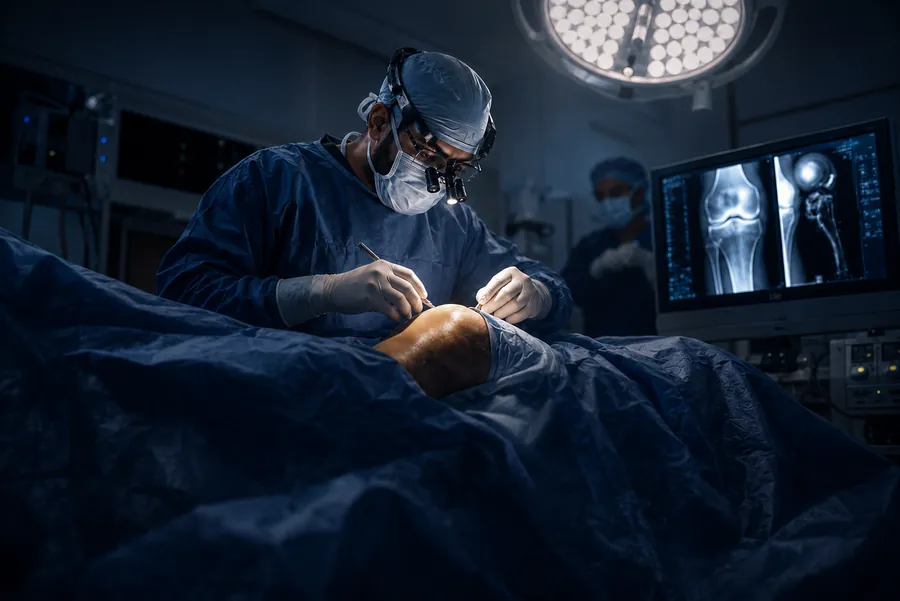
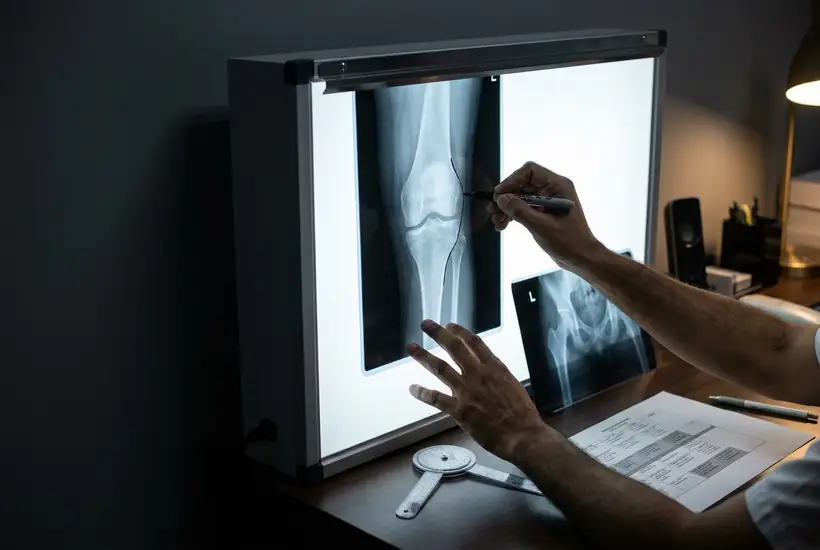
Imaging is requested where it will change the decision, and the findings are shown to you on screen.
- Standing, weight-bearing X-rays to assess true joint space and alignment
- Specific ligament and meniscus tests, compared against the other side
- MRI where soft-tissue injury is suspected or surgery is being considered
- Gait and hip strength assessment, since knee pain often begins above the knee
Non-surgicalcare first.
- Structured physiotherapy focused on quadriceps and hip control
- Load modification rather than complete rest
- Short courses of medication and weight management guidance
- Injection where inflammation dominates the picture
- Bracing or offloading for specific patterns of wear
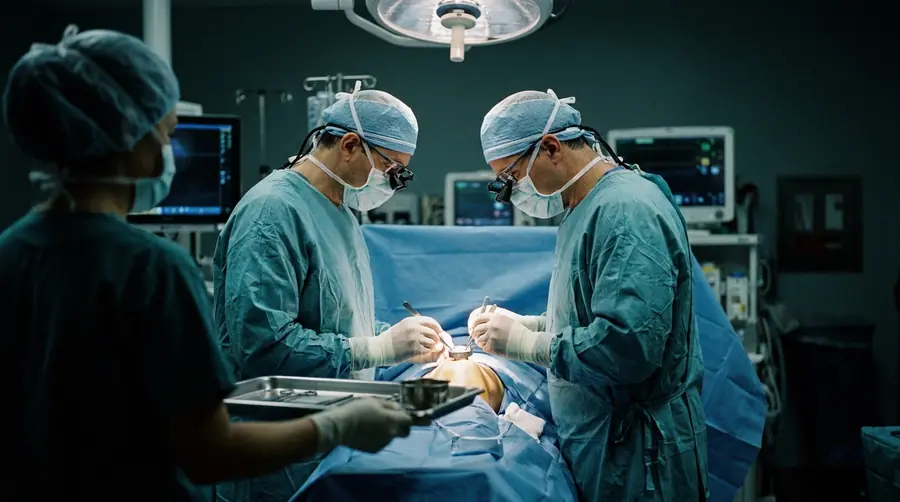
Surgicaloptions.
- Arthroscopic meniscus repair or selective trimming
- ACL and multi-ligament reconstruction
- Joint preservation and cartilage procedures
- Partial knee replacement where wear is limited to one compartment
- Total knee replacement for advanced arthritis
After arthroscopy most patients walk the same day and return to desk work within one to two weeks.
After arthroscopy most patients walk the same day and return to desk work within one to two weeks. Ligament reconstruction follows a staged programme over several months, and return to sport is decided by strength testing rather than the calendar.
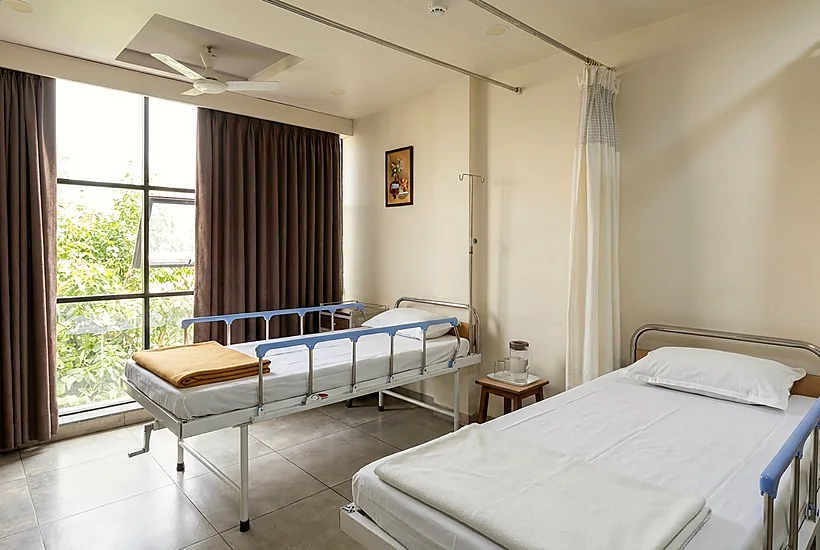
After knee replacement, assisted walking begins on day one and daily activities return progressively over roughly six to twelve weeks. Individual recovery varies with age, general health and how much movement was lost before surgery.
Timelines are typical rather than guaranteed. Your own plan is set at consultation.
Frequentquestions.
Do I need surgery for knee arthritis?
Not always. Many patients improve substantially with targeted strengthening, load management and, where appropriate, injection. Replacement is considered when pain limits sleep and walking despite these measures.
How long does a knee replacement last?
Modern implants commonly function well for well over a decade, and often much longer. Longevity depends on age, weight, activity and implant position, which is why planning and alignment are treated so carefully.
Can a torn meniscus heal without surgery?
Some peripheral tears settle with rehabilitation. Tears that cause locking, or that occur alongside ligament injury in younger patients, usually do better with arthroscopic repair.
When can I drive after knee surgery?
Once you can control the pedals confidently without pain and are off strong pain relief. That is typically two to three weeks after arthroscopy, and longer after replacement.
Related care
Joint Replacement
Knee and hip replacement planned around your own anatomy, with rehabilitation that starts on day one.
Arthroscopy
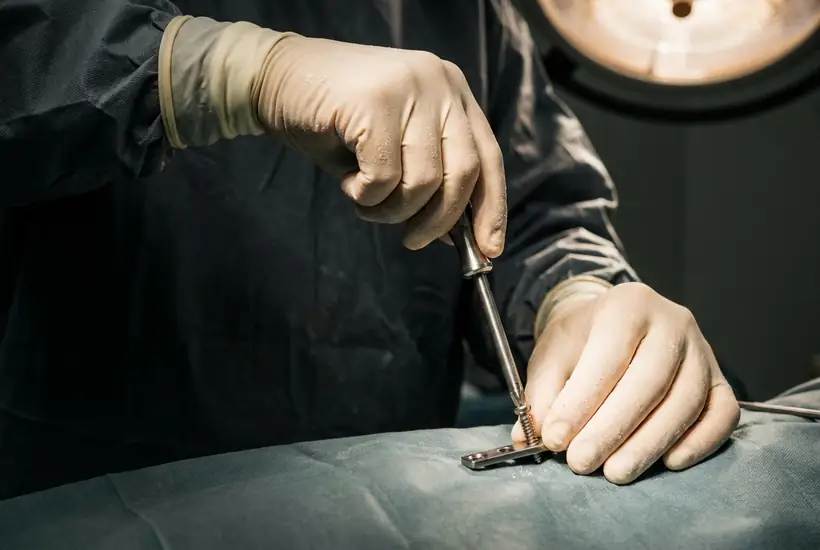
Keyhole surgery that lets us see inside the joint, repair what is torn and protect what is still healthy.

Sports Injury Care
From cricket and kabaddi to gym training and running: accurate diagnosis, honest timelines, and a tested return to play.
Discuss
your knee.
Bring your previous X-rays, MRI films and reports if you have them. If you do not, we will start from the beginning.