
Trauma · 05
Fracture
& Trauma
Prompt assessment, stable fixation, and a clear plan for getting the limb working again.
A fracture is an injury to bone and to everything around it. Swelling, skin condition, and nerve and blood supply all influence whether a bone is best held in plaster or fixed with implants.
Related reading: How long do fractures take to heal? →
The goal is a limb that works, not only an X-ray that looks tidy. That means stable fixation where it is needed, and early movement of the joints that do not need to be still.
Symptoms we look for
- Pain, deformity or inability to use the limb after injury
- Rapid swelling and bruising
- An audible crack at the time of injury
- Inability to bear weight after a fall
- Numbness, coldness or severe pressure in the limb
When to see an orthopaedic specialist
- Immediately after any significant injury or fall
- Deformity, an open wound or severe swelling is present
- Numbness or a cold, pale limb develops, which is urgent
- An older adult cannot stand after a fall
- A plaster feels too tight, or pain is escalating
Named beforeit is treated.
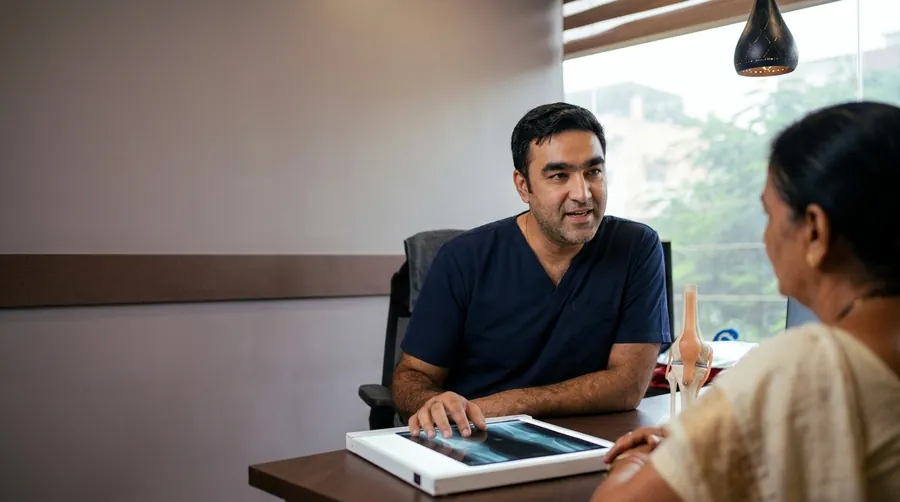
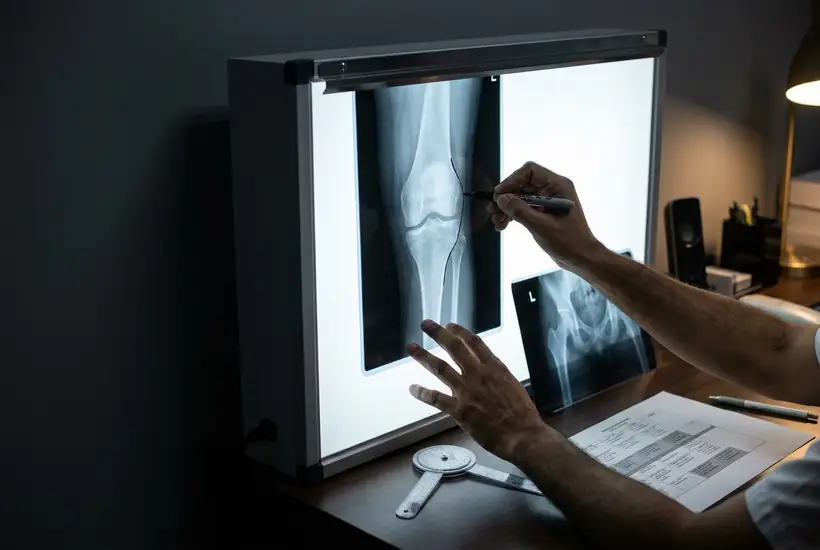
Imaging is requested where it will change the decision, and the findings are shown to you on screen.
- Focused examination of the limb, skin, nerves and circulation
- X-rays in two planes, including the joint above and below
- CT for complex joint-surface or spinal injuries
- Assessment for other injuries after high-energy trauma
Non-surgicalcare first.
- Closed reduction with plaster or functional bracing
- Elevation, pain control and swelling management
- Serial X-ray review to confirm the position holds
- Early movement of adjacent joints
Surgicaloptions.
- Plate and screw fixation
- Intramedullary nailing of long bones
- External fixation for open or severely swollen injuries
- Hip fracture fixation or replacement in older adults
- Fixation of joint-surface fractures
Bone union usually takes six to twelve weeks, longer in the lower limb, in smokers, and in people with diabetes.
Bone union usually takes six to twelve weeks, longer in the lower limb, in smokers, and in people with diabetes. Weight-bearing instructions are specific to the injury and are given in writing.
Stiffness, rather than the fracture itself, is often the harder problem. Rehabilitation begins as soon as the fixation allows, and continues until the limb is genuinely usable.
Timelines are typical rather than guaranteed. Your own plan is set at consultation.
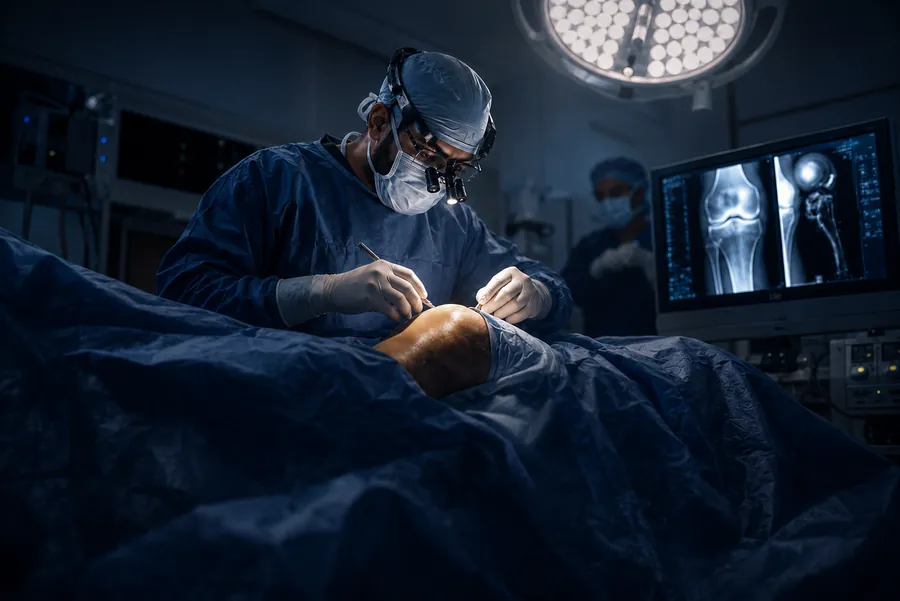
Trauma surgerywe perform.
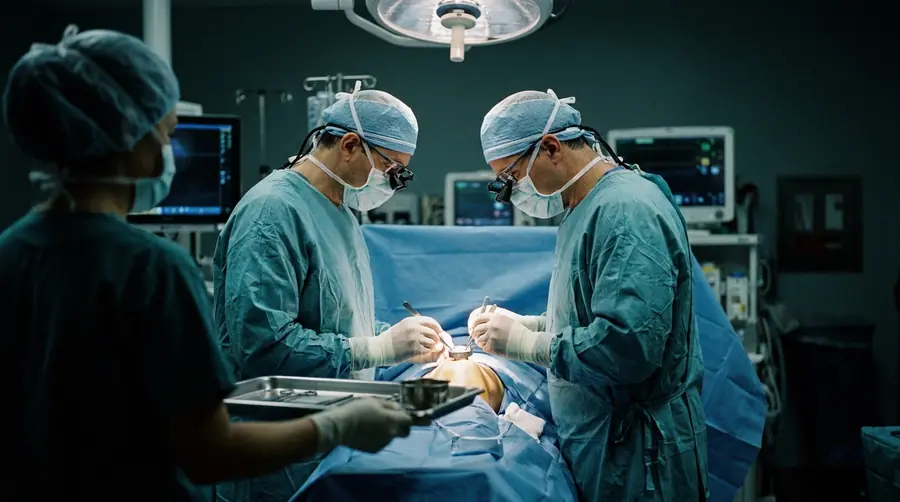
From damage control in the first hours after a major accident to the reconstruction of fractures that never healed.
01 — Complex trauma
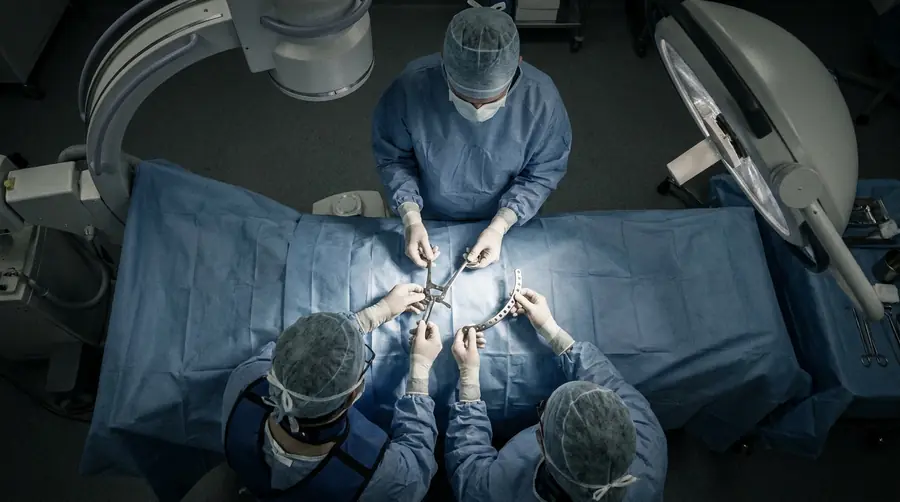
Complex trauma surgery
- Pelvic and acetabular fracture fixation
- Intra-articular and peri-articular fracture reconstruction: distal femur, tibial plateau, pilon and proximal humerus
- Polytrauma stabilisation and damage control orthopaedics (DCO)
02 — Minimally invasive
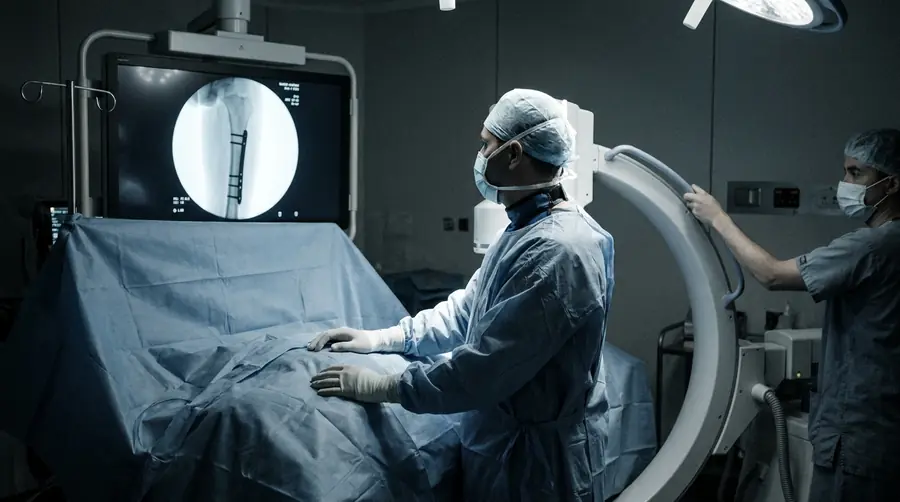
Minimally invasive trauma
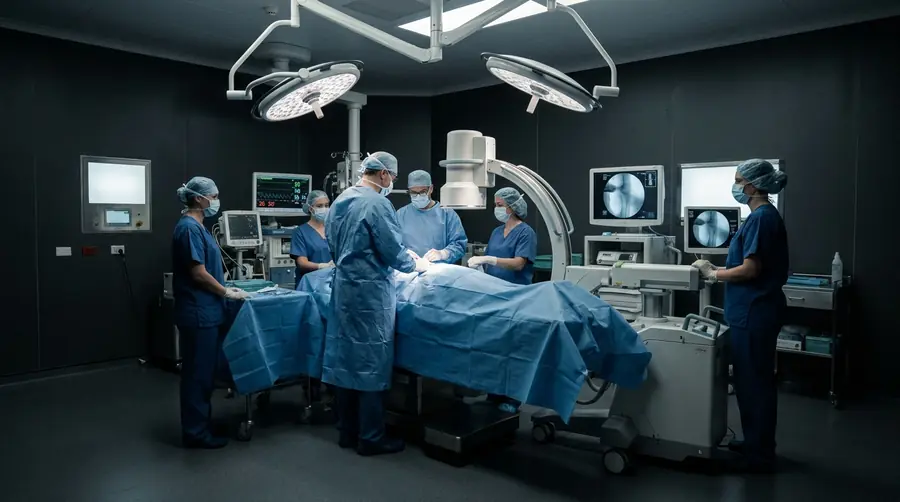
- Minimally invasive percutaneous plate osteosynthesis (MIPPO)
- Closed interlocking nailing of the femur, tibia and humerus
03 — Salvage
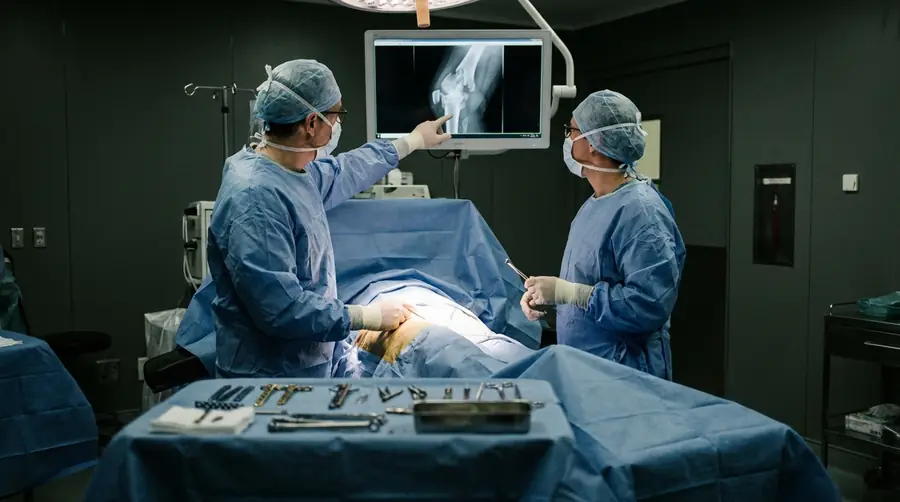
Salvage & reconstructive surgery
- Non-union and malunion corrective surgery, with bone grafting
- Implant removal and revision fixation
- Chronic osteomyelitis debridement and reconstruction
04 — Day and night
Fracture care, around the clock
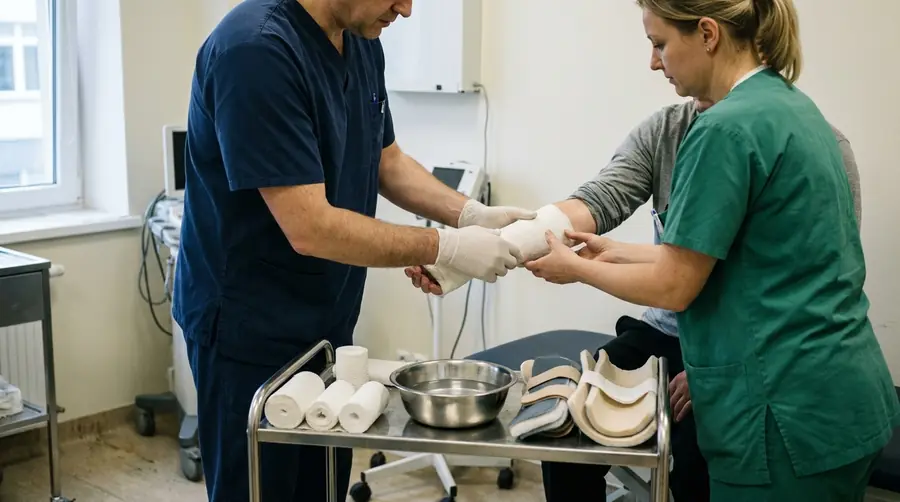
- Simple, comminuted and open (compound) fractures
- Closed reduction and cast immobilisation
- External fixator application for limb-threatening injuries
- Minimally invasive stabilisation of osteoporotic fractures in elderly patients
Frequentquestions.
Does every fracture need surgery?
No. Many fractures heal well in a cast or brace when the position is acceptable and stable. Surgery is advised when the bone cannot be held reliably, a joint surface is displaced, or early movement is essential.
How long will I be in a plaster?
Commonly three to six weeks, depending on the bone and the injury. The position is reviewed on X-ray during that period.
Do implants need to be removed later?
Usually not. Removal is considered if an implant causes irritation, or in specific situations such as some children's and ankle injuries.
Why is my hand or knee stiff after the plaster comes off?
Immobilisation stiffens the surrounding soft tissue. A structured physiotherapy programme restores motion, and starting promptly makes a substantial difference.
Related care
Rehabilitation
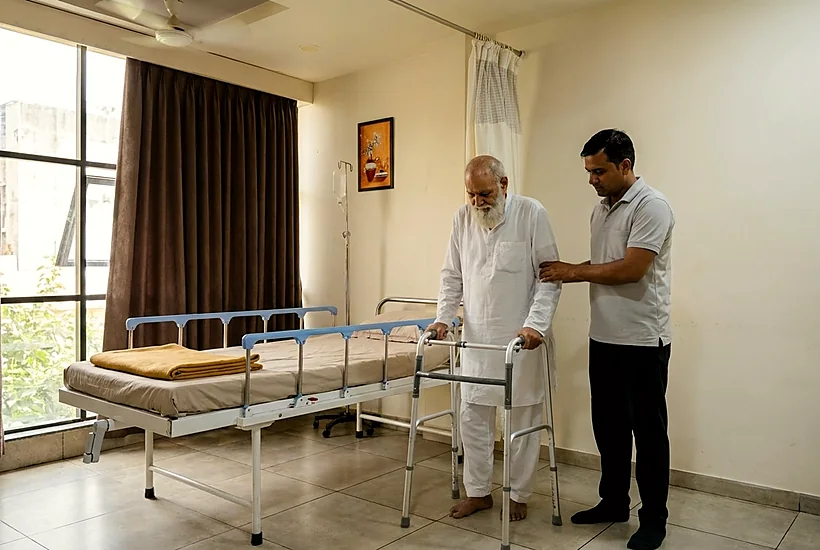
The part that decides the result: supervised, measured recovery after injury and surgery.
Joint Replacement
Knee and hip replacement planned around your own anatomy, with rehabilitation that starts on day one.
Knee Care
Precision diagnosis and treatment designed to restore confident movement, from early arthritis to sports injury.
Discuss
your trauma.
Bring your previous X-rays, MRI films and reports if you have them. If you do not, we will start from the beginning.