
Joint · 02
Joint
Replacement
Knee and hip replacement planned around your own anatomy, with rehabilitation that starts on day one.
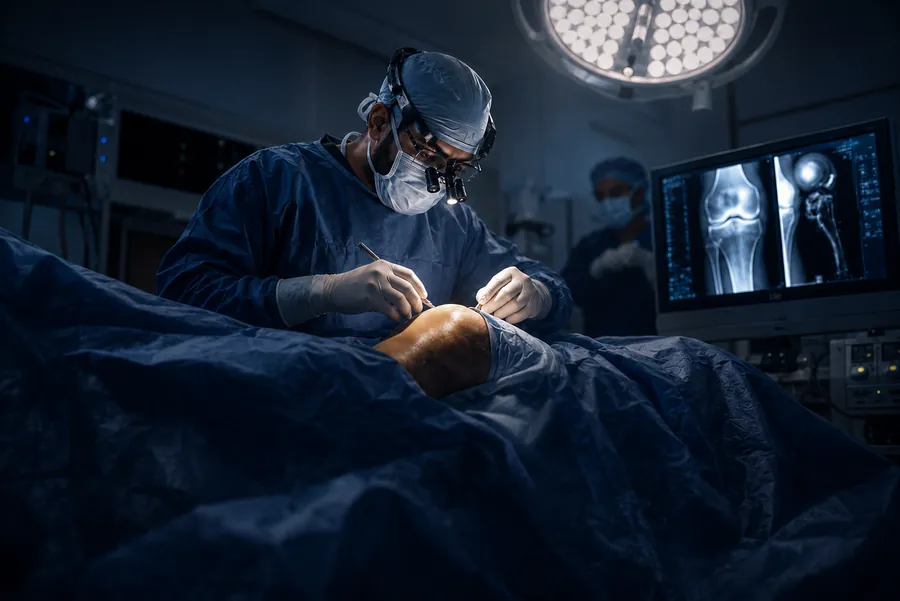
Joint replacement is less a last resort than a decision about quality of life. When cartilage has worn through, the joint surfaces are resurfaced with implants that restore smooth, aligned movement.
Related reading: Knee replacement recovery, week by week →
The operation is one part of a longer process. Pre-operative fitness, medical optimisation, anaesthetic technique, implant position and the first six weeks of rehabilitation all influence the result as much as the surgery itself.
Symptoms we look for
- Pain at rest or at night, not only on walking
- Walking distance falling steadily over months or years
- Stiffness that limits dressing, squatting or stairs
- Visible bowing or deformity of the leg
- Limited benefit from physiotherapy, medication and injections
When to see an orthopaedic specialist
- Daily activities are being planned around the joint
- Sleep is regularly disturbed by joint pain
- X-rays show advanced wear and non-surgical care has been exhausted
- A hip fracture has occurred in an older adult
- Avascular necrosis has been diagnosed
Named beforeit is treated.
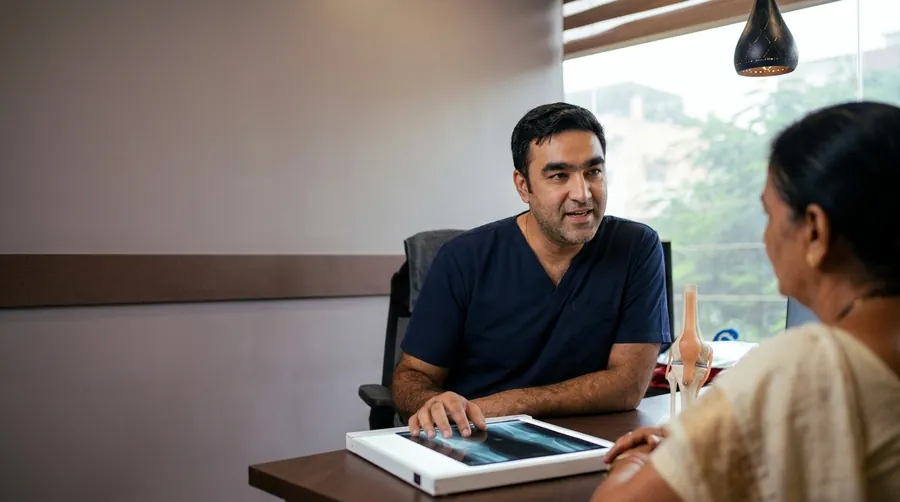
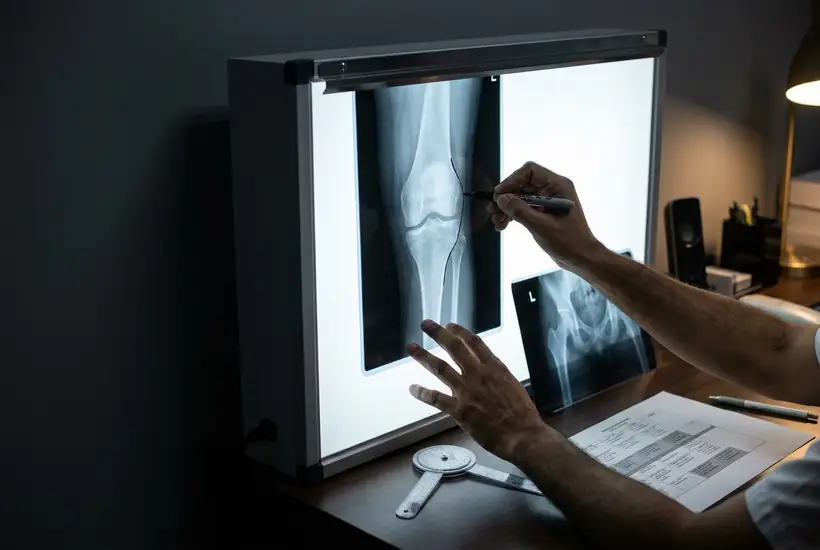
Imaging is requested where it will change the decision, and the findings are shown to you on screen.
- Standing long-leg and weight-bearing X-rays for alignment planning
- Assessment of range, deformity, ligament balance and muscle strength
- Templating of implant size and position before theatre
- Pre-anaesthetic review, including diabetes and cardiac fitness
- Dental and skin screening to reduce infection risk
Non-surgicalcare first.
- Supervised strengthening to prepare the limb before surgery
- Weight optimisation and diabetes control
- Walking aids and home modification advice
- Injection therapy where surgery must be deferred
Surgicaloptions.
- Total knee replacement
- Partial, single-compartment knee replacement
- Total hip replacement
- Hemiarthroplasty for selected hip fractures
- Assessment of painful or loose previous implants
Most patients stand and take assisted steps within twenty-four hours.
Most patients stand and take assisted steps within twenty-four hours. Walking with a frame or stick progresses over the first two weeks, with wounds reviewed and the home programme checked at each visit.
By around six weeks most people walk indoors without support and manage stairs with a rail. Strength and confidence continue to improve for six to twelve months, and timelines vary between individuals.
Timelines are typical rather than guaranteed. Your own plan is set at consultation.
Replacementsurgery we do.
Primary replacement for worn and collapsed joints, and revision surgery when an earlier implant has loosened or failed.
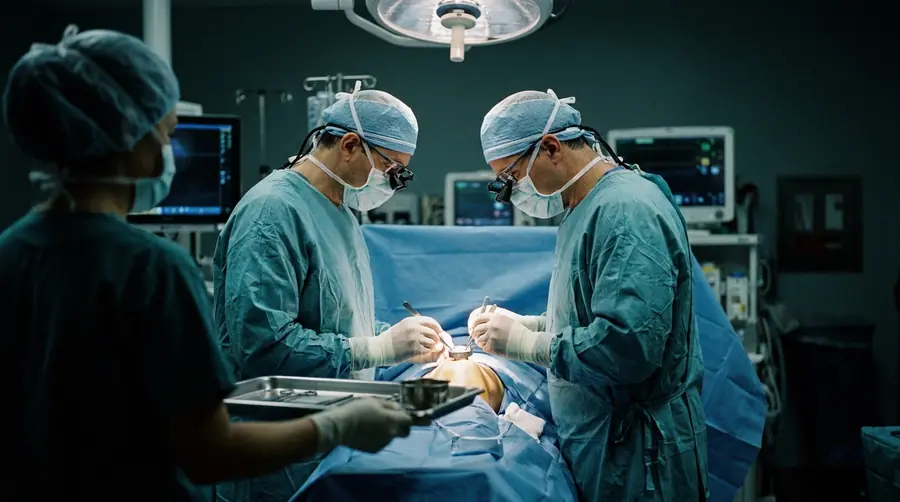
01 — Replacement
Joint replacement (arthroplasty)
- Total knee replacement (TKR)
- Total hip replacement (THR)
- Partial / hemi-arthroplasty, including bipolar hip replacement
- Complex and revision knee & hip replacement
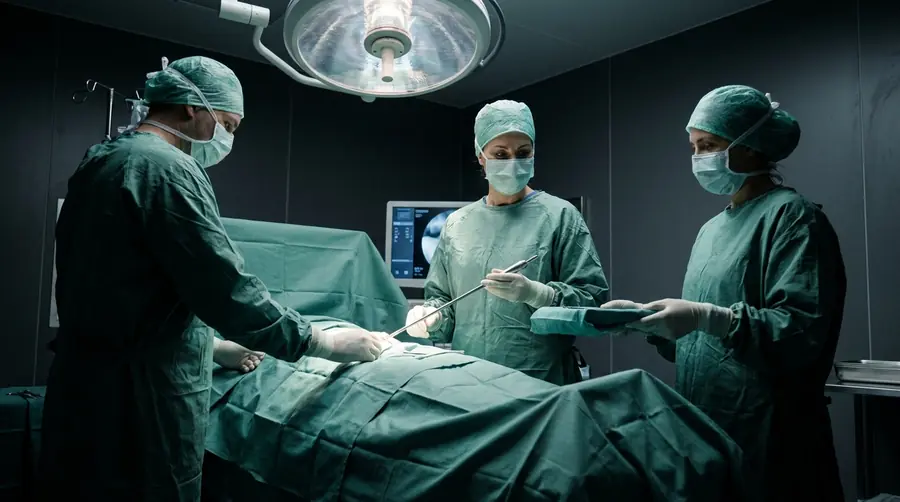
02 — Also treated
Arthritis of the hip & knee
- Replacement for avascular necrosis (AVN) of the hip
- Replacement for secondary and post-traumatic arthritis
- Hemi-arthroplasty for neck of femur fractures in elderly patients
- Intra-articular injections, including viscosupplementation, corticosteroid and PRP therapy, where the joint can still be preserved
Frequentquestions.
How soon will I walk after joint replacement?
Usually on the first day after surgery, with a walker and supervision. Early controlled movement reduces stiffness and helps circulation.
Is spinal or general anaesthesia used?
Both are safe options. Spinal anaesthesia with sedation is often preferred for lower-limb replacement, and the choice is made with the anaesthetist after your medical review.
Will I be able to sit cross-legged or squat?
Deep squatting and floor-sitting are generally discouraged after knee replacement to protect the implant. Practical alternatives are discussed before surgery, since this matters in Indian homes.
What are the main risks?
Infection, blood clots, stiffness and implant wear are the principal risks. They are uncommon, and are reduced by medical optimisation, sterile technique, prophylaxis and early mobilisation. All of this is discussed openly before you consent.
Related care
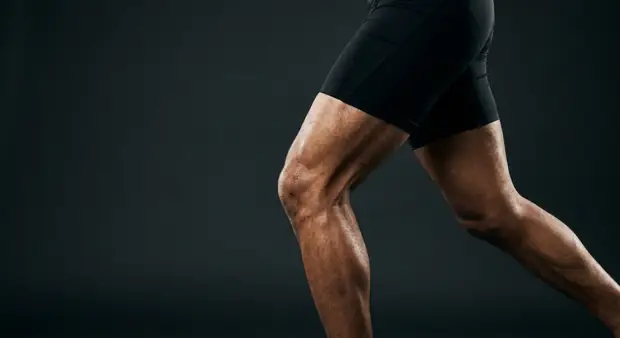
Knee Care
Precision diagnosis and treatment designed to restore confident movement, from early arthritis to sports injury.
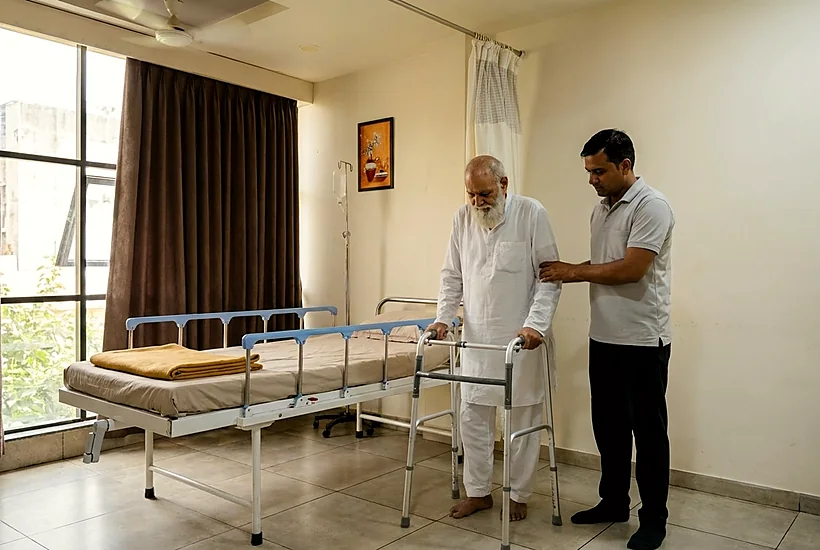
Rehabilitation
The part that decides the result: supervised, measured recovery after injury and surgery.
Arthroscopy
Keyhole surgery that lets us see inside the joint, repair what is torn and protect what is still healthy.
Discuss
your joint.
Bring your previous X-rays, MRI films and reports if you have them. If you do not, we will start from the beginning.