






Where it hurts · Knee
Knee
Pain
Knee pain is the single most common reason people come to an orthopaedic clinic, and it is also the most treatable when the cause is named accurately.
What usuallycauses it.
- Osteoarthritis and cartilage wear
- Meniscus tears, including degenerate tears in middle age
- ACL and other ligament injuries from sport or falls
- Kneecap maltracking and patellar tendon overload
- Inflammatory arthritis affecting several joints
Signs that need prompt review
- The knee swelled within a few hours of an injury
- It locks, blocks, or cannot be straightened
- It gives way when you walk or turn
- Pain wakes you at night, or is present at rest
- The leg is becoming visibly bowed
Examined properly, explained plainly.
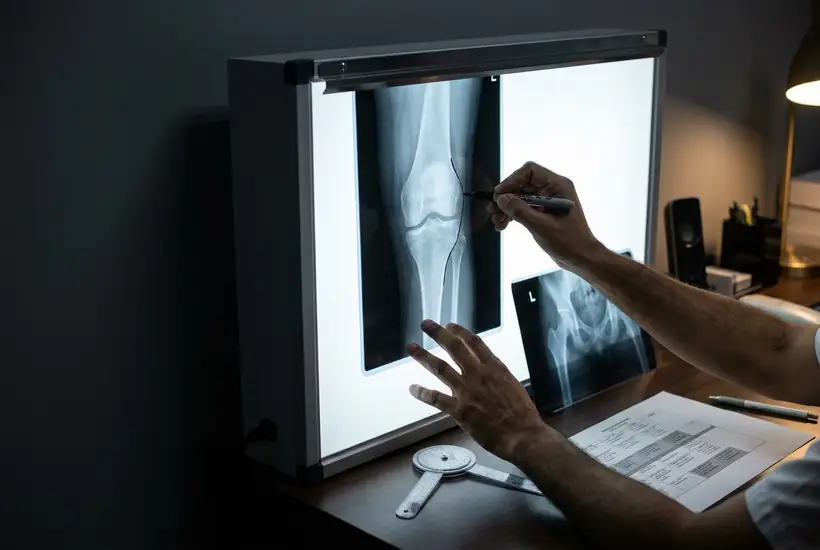
Your knee is examined standing, walking, lying and under load, and compared with the other side. If X-rays are needed they are taken weight-bearing, because a knee lying down hides the very wear we are looking for. You will see the images and hear what they do and do not explain.
Related reading: Knee pain on stairs: what it means →
Where this leads
Knee Care
Precision diagnosis and treatment designed to restore confident movement, from early arthritis to sports injury.
Joint Replacement
Knee and hip replacement planned around your own anatomy, with rehabilitation that starts on day one.
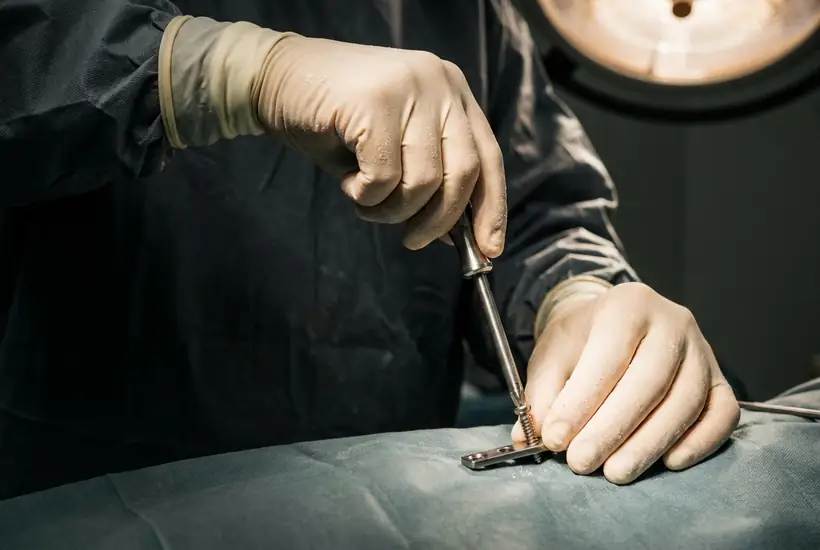
Arthroscopy
Keyhole surgery that lets us see inside the joint, repair what is torn and protect what is still healthy.
Questions.
Is knee pain always arthritis?
No. In younger patients it is more often a meniscus, ligament or kneecap problem, and treatment is quite different from arthritis care.
Should I stop walking if my knee hurts?
Usually not. Walking on level ground, in supportive shoes and within comfort, is one of the better things for an arthritic knee. Stairs, squats and long standing are the loads to modify first.
Get a clear
answer.
A single consultation is usually enough to know what is wrong and what the options are.