







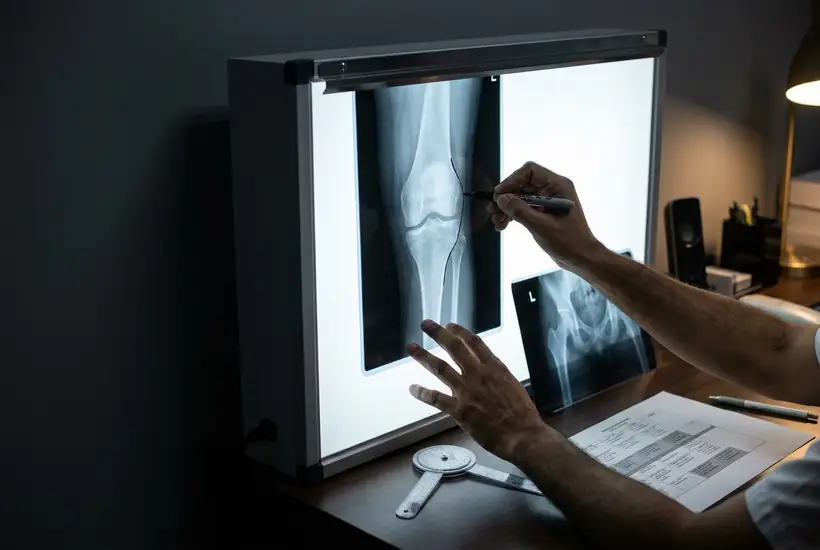



Where it hurts · Shoulder
Shoulder
Pain
A painful shoulder narrows life quietly: dressing, driving, sleeping on one side. The pattern of restriction usually reveals the diagnosis before any scan.
What usuallycauses it.
- Rotator cuff tendon irritation or tearing
- Frozen shoulder, often alongside diabetes or thyroid disorder
- Impingement from repeated overhead work or training
- Instability after a dislocation, especially in younger patients
- Arthritis of the shoulder or the joint at the top of the collarbone
Signs that need prompt review
- You cannot lift the arm at all after an injury
- The shoulder has dislocated more than once
- Rotation is being lost week by week
- Night pain is regularly disturbing sleep
- There is weakness rather than only pain
Examined properly, explained plainly.
Movement is measured both actively and passively, because the difference between the two separates stiffness from weakness. Specific cuff and instability tests follow, with X-rays and, where indicated, ultrasound or MRI.
Related reading: Frozen shoulder: how long recovery really takes →
Where this leads
Shoulder Care
Rotator cuff, frozen shoulder and instability: diagnosed precisely, treated in the right order.
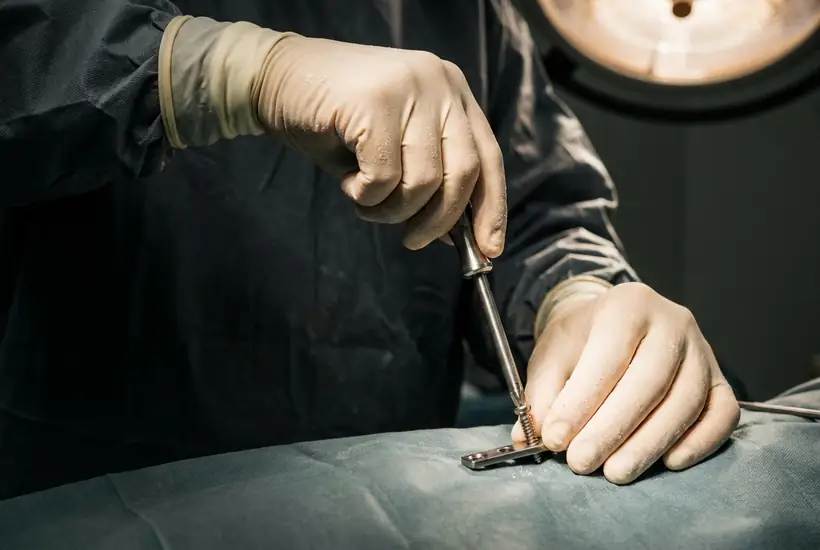
Arthroscopy
Keyhole surgery that lets us see inside the joint, repair what is torn and protect what is still healthy.
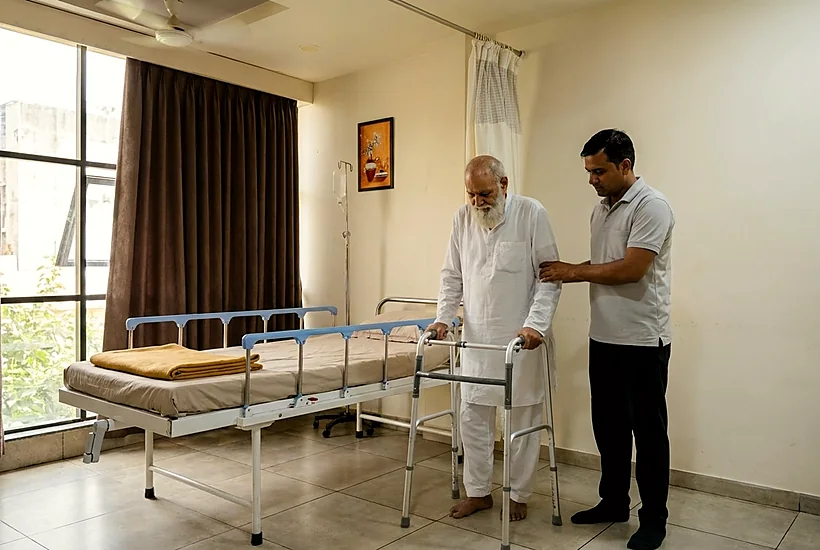
Rehabilitation
The part that decides the result: supervised, measured recovery after injury and surgery.
Questions.
Why is my shoulder worse at night?
Lying down reduces the space around the cuff tendons and removes the distraction of daytime activity, so inflammatory pain becomes more noticeable.
Can frozen shoulder be prevented?
Not entirely, but keeping the shoulder moving after any injury or immobilisation, and controlling blood sugar, meaningfully reduces the risk.
Get a clear
answer.
A single consultation is usually enough to know what is wrong and what the options are.