Scope · 03
Arthroscopy
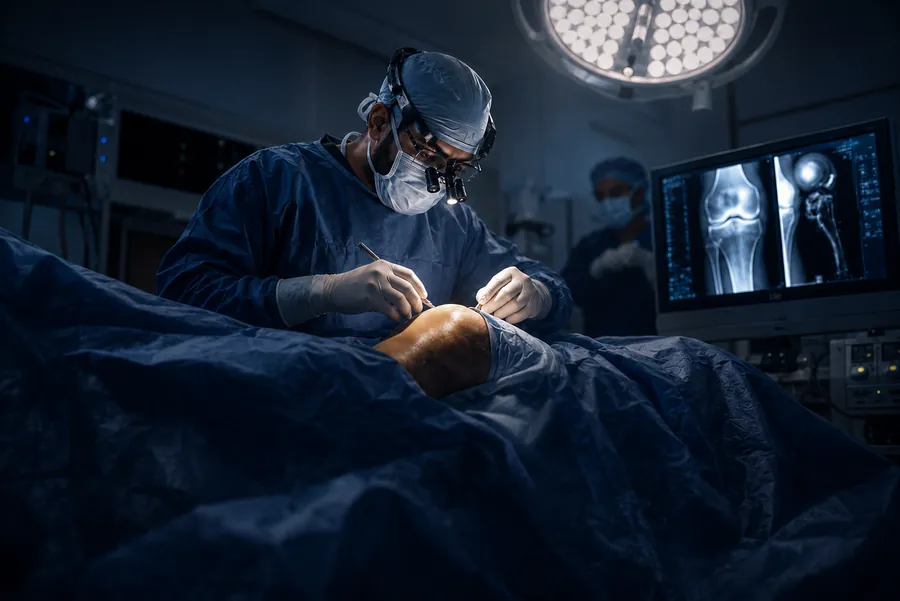
Keyhole surgery that lets us see inside the joint, repair what is torn and protect what is still healthy.
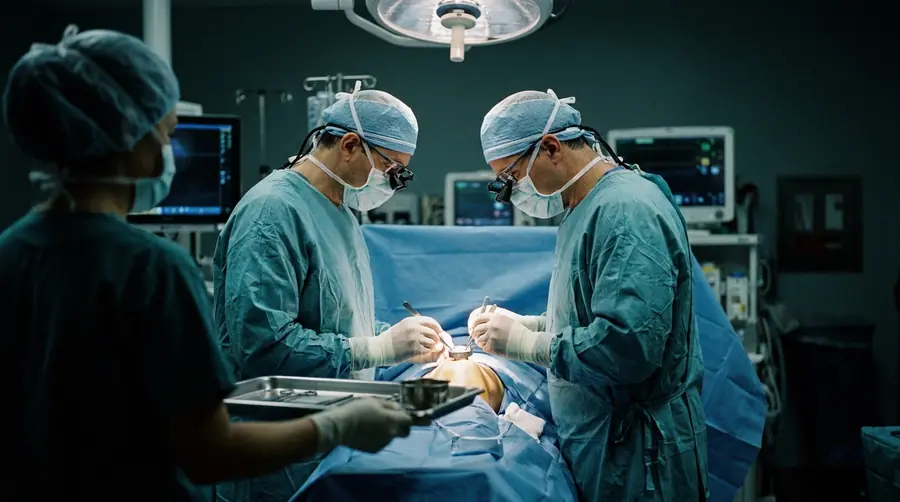
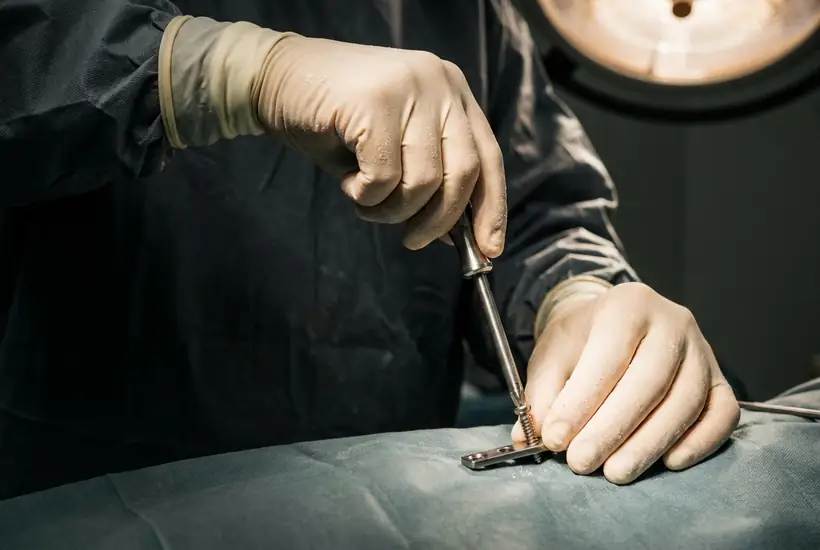
Arthroscopy uses a camera about the width of a pencil, passed through small portals with fine instruments. The joint is inspected directly, so diagnosis and treatment happen in the same sitting.
Related reading: ACL tear: surgery or physiotherapy? →
Because the joint is not opened widely, soft tissues are disturbed far less. That usually means less pain, a shorter stay and earlier rehabilitation, though the repair inside still heals at biological speed rather than keyhole speed.
Symptoms we look for
- Mechanical locking, catching or blocking of the joint
- Recurrent swelling after activity
- Instability, or a feeling of the joint slipping
- Pain that persists despite a full course of physiotherapy
- Clicking with weakness when lifting the arm overhead
When to see an orthopaedic specialist
- An MRI has shown a repairable tear
- The joint locks or gives way during daily life
- Symptoms have not settled after six to twelve weeks of rehabilitation
- A young or active patient has a ligament injury
Named beforeit is treated.
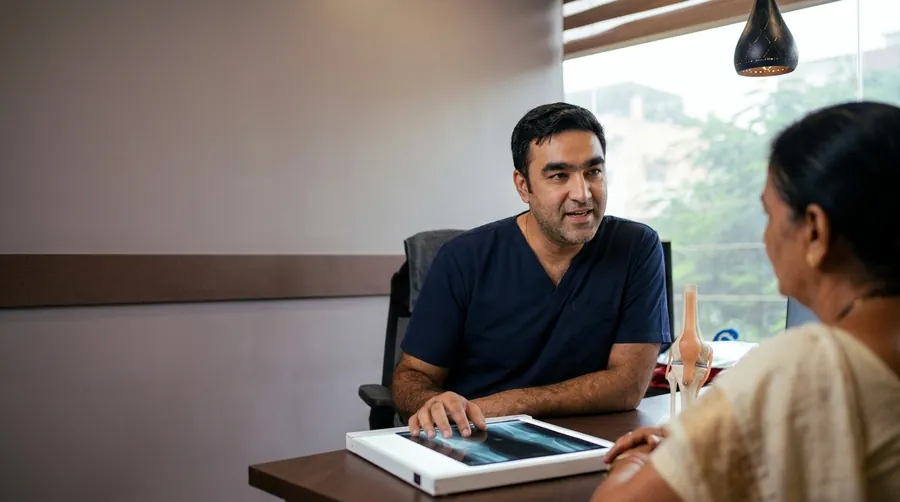
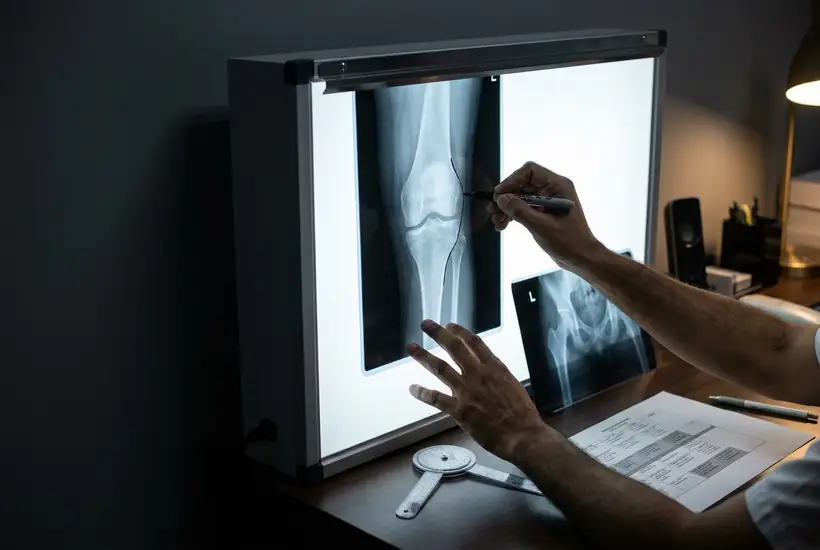
Imaging is requested where it will change the decision, and the findings are shown to you on screen.
- Clinical tests that localise the structure at fault
- MRI to confirm the tear pattern, and to plan repair versus trimming
- X-rays to check for arthritis, which changes the recommendation
- A frank discussion of what keyhole surgery will and will not improve
Non-surgicalcare first.
- Progressive loading and neuromuscular retraining
- Time-limited bracing where instability dominates
- Targeted injection for inflammatory pain
- Activity modification for degenerate tears in older joints
Surgicaloptions.
- Meniscus repair or selective trimming
- ACL and PCL reconstruction
- Rotator cuff repair and subacromial decompression
- Labral repair and stabilisation for recurrent dislocation
- Removal of loose bodies and synovial debridement
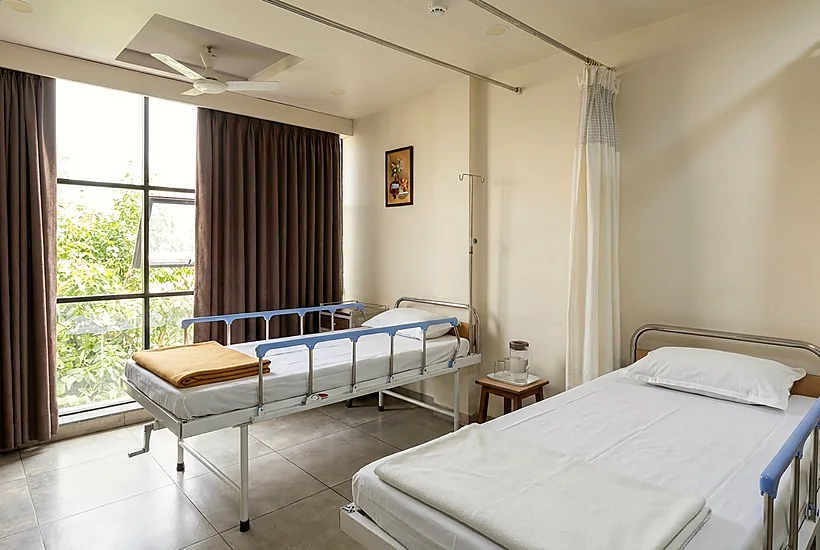
Most arthroscopies are day-care procedures.
Most arthroscopies are day-care procedures. Walking begins the same day for knee work, and a sling is used for a period after shoulder repairs.
Rehabilitation is staged: protect, restore motion, rebuild strength, then return to sport. Meniscus and cuff repairs are protected longer than simple trimming, because tissue has to heal back to bone.
Timelines are typical rather than guaranteed. Your own plan is set at consultation.
Frequentquestions.
Is arthroscopy painful?
Discomfort is usually moderate and well controlled with simple medication and ice. The small portals heal quickly; the internal repair sets the pace of rehabilitation.
How long is the hospital stay?
Many patients are discharged the same day, after anaesthetic recovery, a physiotherapy session and clear written instructions.
Does arthroscopy help arthritis?
Rarely on its own. Where X-rays show significant wear, keyhole washout gives limited benefit, and we will say so rather than offer an operation unlikely to help.
When can I return to sport after ACL reconstruction?
Typically nine months or more, and only after strength, hop and control tests are passed on both legs. Returning on time rather than on readiness is a common cause of re-injury.
Related care

Sports Injury Care
From cricket and kabaddi to gym training and running: accurate diagnosis, honest timelines, and a tested return to play.
Knee Care
Precision diagnosis and treatment designed to restore confident movement, from early arthritis to sports injury.
Shoulder Care
Rotator cuff, frozen shoulder and instability: diagnosed precisely, treated in the right order.
Discuss
your scope.
Bring your previous X-rays, MRI films and reports if you have them. If you do not, we will start from the beginning.