Sport · 04
Sports
Injuries
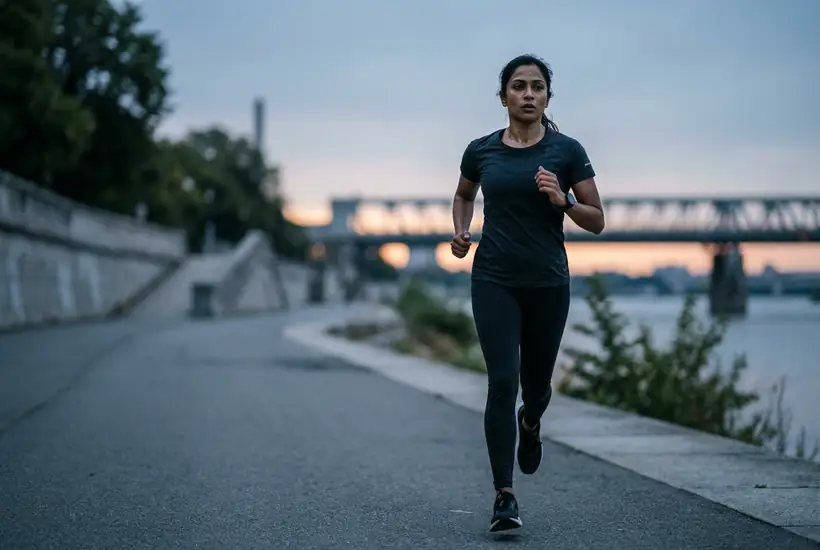
From cricket and kabaddi to gym training and running: accurate diagnosis, honest timelines, and a tested return to play.
Sport injures tissue in patterns. A twisting knee with immediate swelling, a shoulder that came out and went back, a sudden calf snap while sprinting: each has a likely diagnosis before any scan is ordered.
Related reading: ACL tear: surgery or physiotherapy? →
The priority is to protect the joint, restore control, then rebuild capacity. Athletes get milestones they can measure, not vague advice to rest.
Symptoms we look for
- Immediate swelling after a twist or tackle
- A pop or tearing sensation at the moment of injury
- Inability to continue playing
- Repeated ankle rolling or shoulder slipping
- Pain that returns each time training load increases
When to see an orthopaedic specialist
- You could not continue the match or session
- The joint swelled within a few hours
- The joint has given way more than once
- Pain has plateaued after two to three weeks of self-managed rest
Named beforeit is treated.
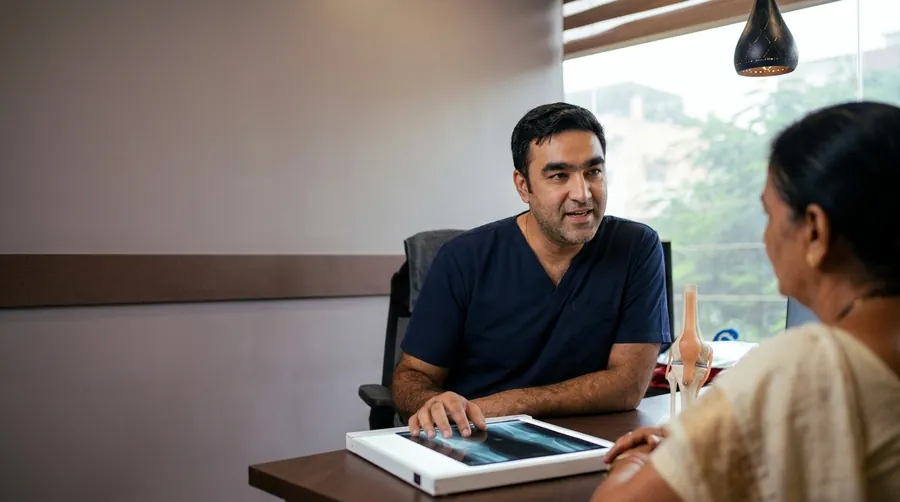
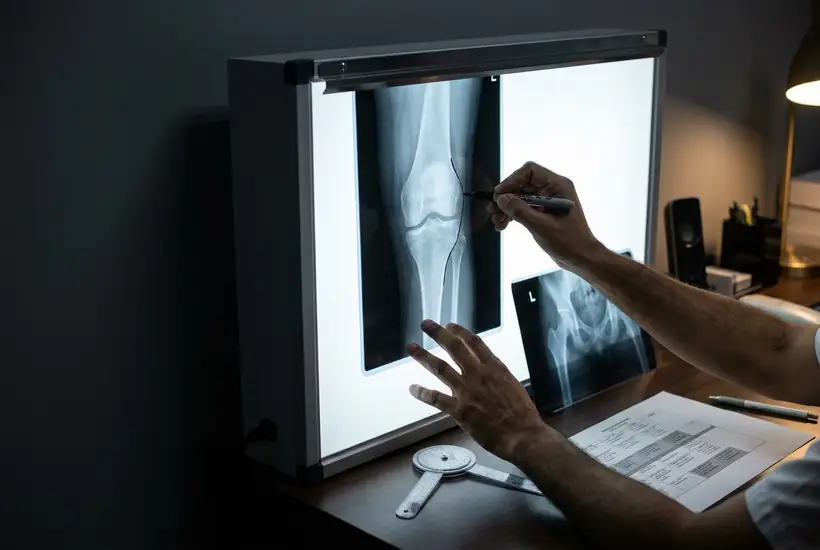
Imaging is requested where it will change the decision, and the findings are shown to you on screen.
- A mechanism-based history: exactly how the injury happened
- Structured ligament, muscle and tendon testing
- Ultrasound or MRI where soft-tissue detail changes management
- Strength and single-leg control testing to set a baseline
Non-surgicalcare first.
- Early protected loading rather than prolonged immobilisation
- Progressive strength and plyometric programme
- Taping, bracing and technique correction
- Graded return-to-play milestones with objective testing
Surgicaloptions.
- ACL and other ligament reconstruction
- Meniscus repair
- Shoulder stabilisation for recurrent dislocation
- Fixation of sports-related fractures
- Tendon repair where continuity is lost
Muscle and ligament strains follow predictable phases and often return to sport within weeks.
Muscle and ligament strains follow predictable phases and often return to sport within weeks. Reconstructions are measured in months, and the final phase, sprinting, cutting and contact, is the one most often rushed.
Return is cleared on test results: symmetrical strength, confident hopping and change of direction, and full sport-specific drills without swelling the next morning.
Timelines are typical rather than guaranteed. Your own plan is set at consultation.
Frequentquestions.
I heard a pop in my knee and it swelled. What is likely?
A pop with rapid swelling most often means an ACL tear, sometimes with meniscus injury. It should be examined promptly, even if walking becomes possible after a few days.
Can I play again after ACL reconstruction?
Many people return to their previous level of sport after completing a full rehabilitation programme. Outcomes depend on the graft, associated injuries and how thoroughly rehabilitation is finished.
Should I use ice or heat?
Ice and compression help in the first two to three days after an acute injury. Heat is more useful later for stiffness. Neither replaces a diagnosis.
Do young players need different care?
Yes. Growth plates change both the injury pattern and the surgical decision, so skeletally immature athletes are managed with that in mind.
Related care
Arthroscopy
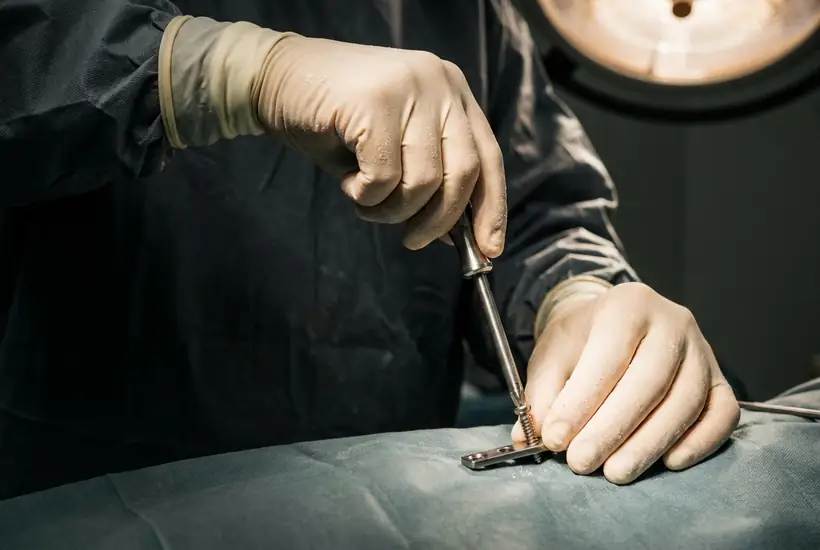
Keyhole surgery that lets us see inside the joint, repair what is torn and protect what is still healthy.
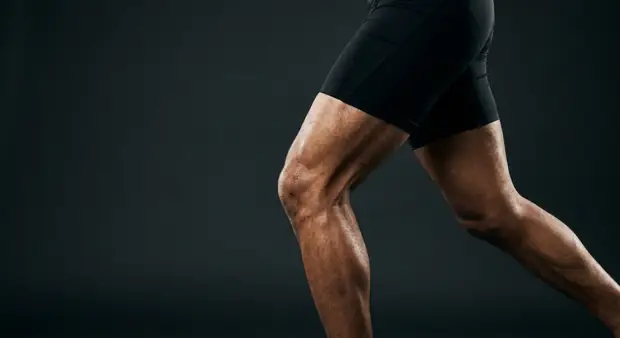
Knee Care
Precision diagnosis and treatment designed to restore confident movement, from early arthritis to sports injury.
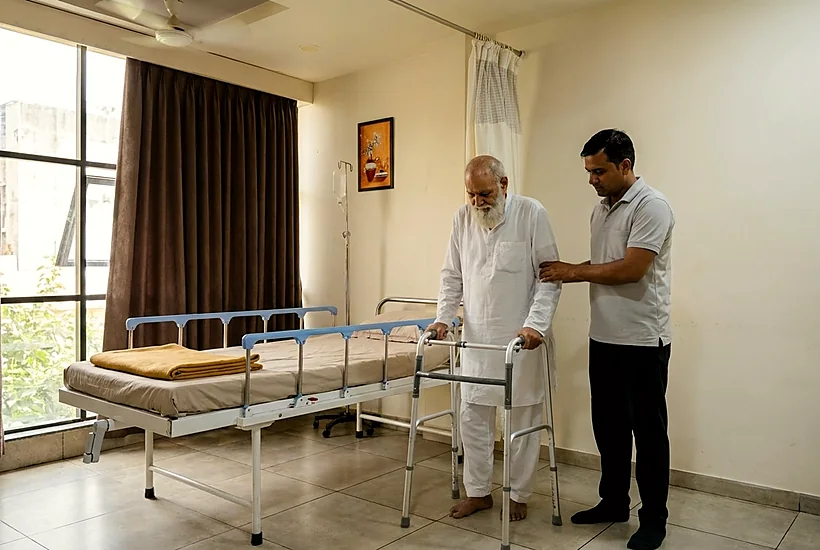
Rehabilitation
The part that decides the result: supervised, measured recovery after injury and surgery.
Discuss
your sport.
Bring your previous X-rays, MRI films and reports if you have them. If you do not, we will start from the beginning.