









Where it hurts · Ankle / Foot
Ankle &
Foot
Feet absorb every step of the day, so small mechanical faults show up as persistent pain. Most respond to load management, footwear and targeted strengthening.
What usuallycauses it.
- Ankle sprain, and the instability left behind when one never rehabilitated
- Plantar fasciitis, felt as sharp heel pain on the first steps of the morning
- Achilles tendon overload or, less often, rupture
- Ankle and foot fractures, including stress fractures in runners
- Flat foot or high arch mechanics driving pain elsewhere
Signs that need prompt review
- You cannot bear weight after twisting the ankle
- There is a sudden snap at the back of the heel with weak push-off
- The ankle gives way repeatedly
- Numbness or tingling in the foot
- A diabetic foot wound, swelling or redness, which needs urgent review
Examined properly, explained plainly.
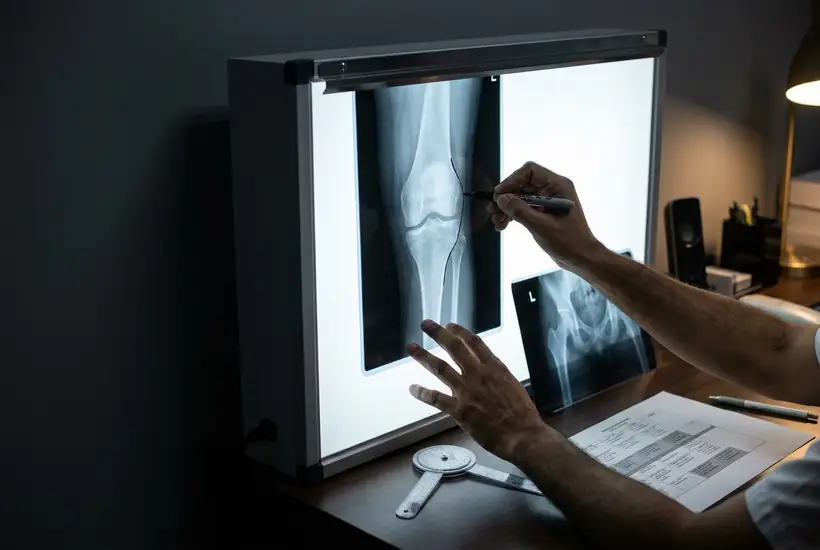
Assessment includes walking, single-leg balance, tendon testing and footwear review. X-rays are taken where a fracture is possible; ultrasound or MRI is used for tendon and ligament detail.
Where this leads

Sports Injury Care
From cricket and kabaddi to gym training and running: accurate diagnosis, honest timelines, and a tested return to play.

Rehabilitation
The part that decides the result: supervised, measured recovery after injury and surgery.

Fracture & Trauma Care
Prompt assessment, stable fixation, and a clear plan for getting the limb working again.
Questions.
Why does my heel hurt most in the morning?
The plantar fascia tightens overnight, so the first steps stretch it abruptly. Calf and fascia stretching before standing, plus supportive footwear, usually helps.
Is walking on a sprained ankle safe?
If you can bear weight without severe pain, early protected walking speeds recovery. Inability to bear weight needs an X-ray to exclude a fracture.
Get a clear
answer.
A single consultation is usually enough to know what is wrong and what the options are.