


Where it hurts · Spine & Back
Back
Pain
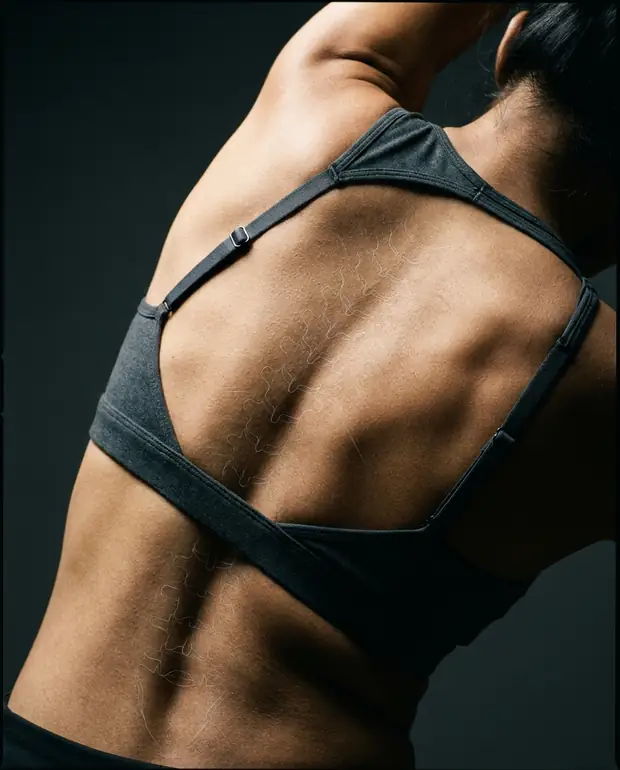
Back pain is common, usually mechanical, and usually improves. The purpose of assessment is to confirm that, and to identify the minority who need more.
What usuallycauses it.
- Mechanical strain from posture, lifting and long sitting
- Disc prolapse pressing on a nerve root
- Facet joint and age-related degenerative change
- Spinal canal narrowing, which limits walking distance
- Osteoporotic vertebral fracture in older adults
Signs that need prompt review
- Leg pain that is worse than the back pain
- Weakness, foot dragging or persistent numbness
- Any loss of bladder or bowel control, which is an emergency
- Pain after a fall, or with fever or weight loss
- Night pain that is unrelieved by position
Examined properly, explained plainly.
Assessment includes a neurological examination and directional movement testing to find which positions ease your pain. Imaging is requested when it will change the plan, not as a routine first step.
Related reading: Back pain warning signs you must not ignore →
Where this leads
Spine & Back Pain
Mechanical back pain, sciatica and disc problems assessed properly, then treated with movement first.
Rehabilitation
The part that decides the result: supervised, measured recovery after injury and surgery.
Questions.
Does a slipped disc mean surgery?
Usually not. The majority settle with time, medication and graded movement. Surgery is reserved for significant weakness or nerve pain that will not settle.
Which mattress or chair should I use?
A medium-firm mattress and a chair that supports the lower back suit most people. Frequent position changes matter more than the furniture itself.
Get a clear
answer.
A single consultation is usually enough to know what is wrong and what the options are.