Rehab · 08
Rehabilitation
The part that decides the result: supervised, measured recovery after injury and surgery.
Surgery restores structure. Rehabilitation restores function. Two patients with identical operations can finish in very different places depending on what happens in the following twelve weeks.
Related reading: Knee replacement recovery, week by week →
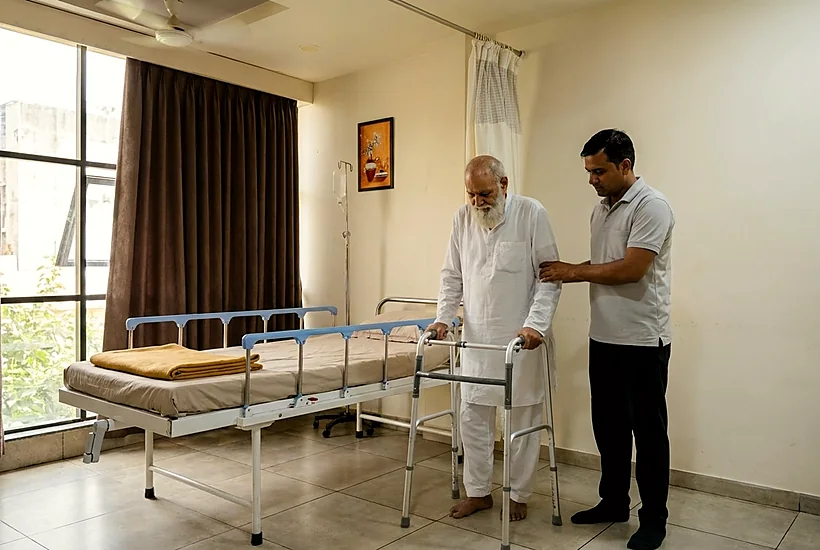
Programmes here are written down, staged, and reviewed. Each phase has an entry criterion, so progression is based on what the limb can do rather than on how many days have passed.
Symptoms we look for
- Stiffness after plaster, surgery or a long painful period
- Weakness or wasting of the thigh, calf or shoulder muscles
- Limping, or fear of putting weight through the limb
- Loss of balance and confidence, particularly after a fall
- Pain that returns whenever activity increases
When to see an orthopaedic specialist
- Immediately after fracture treatment or orthopaedic surgery
- When progress has plateaued despite home exercises
- Before surgery, to build strength in advance
- After repeated ankle sprains or recurrent shoulder problems
- When an older adult has become unsteady or fearful of falling
Named beforeit is treated.
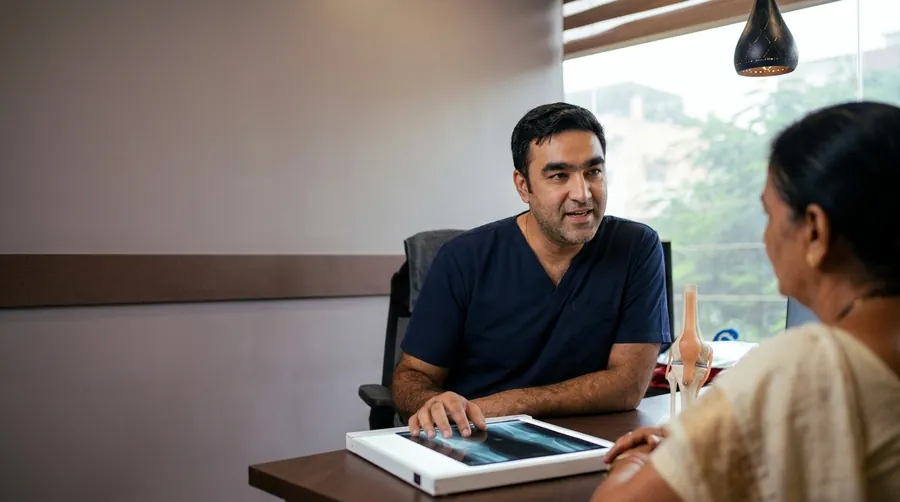
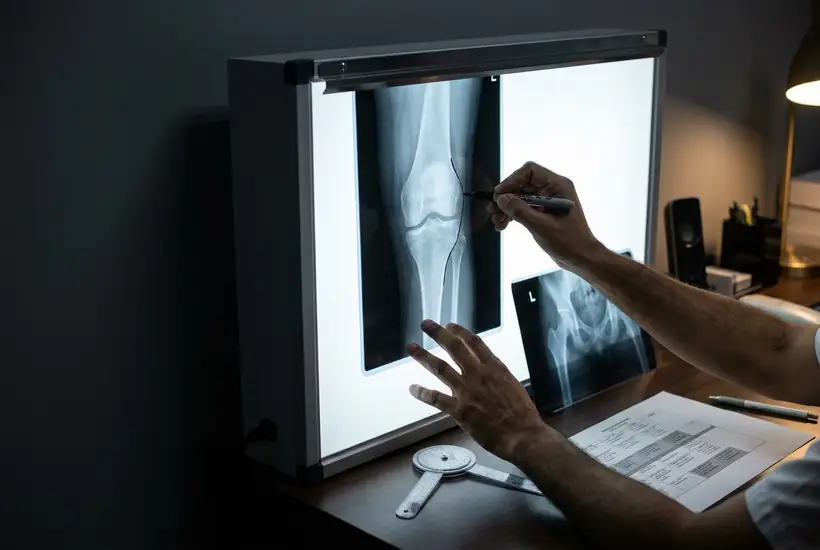
Imaging is requested where it will change the decision, and the findings are shown to you on screen.
- Baseline measurement of range, strength and function
- Gait and single-leg control assessment
- Goal setting around your actual daily and work demands
- Re-testing at each phase before progression
Non-surgicalcare first.
- Supervised exercise therapy with a written home programme
- Post-operative protocols specific to the procedure performed
- Gait retraining, balance and fall-prevention work
- Manual therapy and modalities as adjuncts, not as the main treatment
- Return-to-work and return-to-sport testing
Surgicaloptions.
- Not applicable: rehabilitation is the non-surgical arm of orthopaedic care, used both before and after any procedure.
Early phases focus on swelling control, protected range and reactivating muscle.
Early phases focus on swelling control, protected range and reactivating muscle. Middle phases build strength and endurance. Final phases restore speed, balance and confidence under real-world load.
Most programmes run six to twelve weeks, with longer pathways after ligament reconstruction or major trauma. Attendance and home consistency are the strongest predictors of a good outcome.
Timelines are typical rather than guaranteed. Your own plan is set at consultation.
Frequentquestions.
How soon after surgery does physiotherapy start?
Usually on the first day, within the limits set by the procedure. Early controlled movement reduces stiffness and helps circulation.
How many sessions will I need?
It varies with the problem, but most patients attend supervised sessions for several weeks while continuing daily home exercises, then taper as milestones are met.
Is exercise safe if it hurts a little?
Mild discomfort that settles within a day is generally acceptable. Sharp pain, swelling or pain that persists overnight means the load needs adjusting, so tell your therapist.
Can rehabilitation help me avoid surgery?
In many conditions, yes. Well-delivered rehabilitation is the primary treatment for a great deal of orthopaedic pain, and it also improves outcomes when surgery is eventually needed.
Related care
Joint Replacement
Knee and hip replacement planned around your own anatomy, with rehabilitation that starts on day one.

Sports Injury Care
From cricket and kabaddi to gym training and running: accurate diagnosis, honest timelines, and a tested return to play.
Fracture & Trauma Care
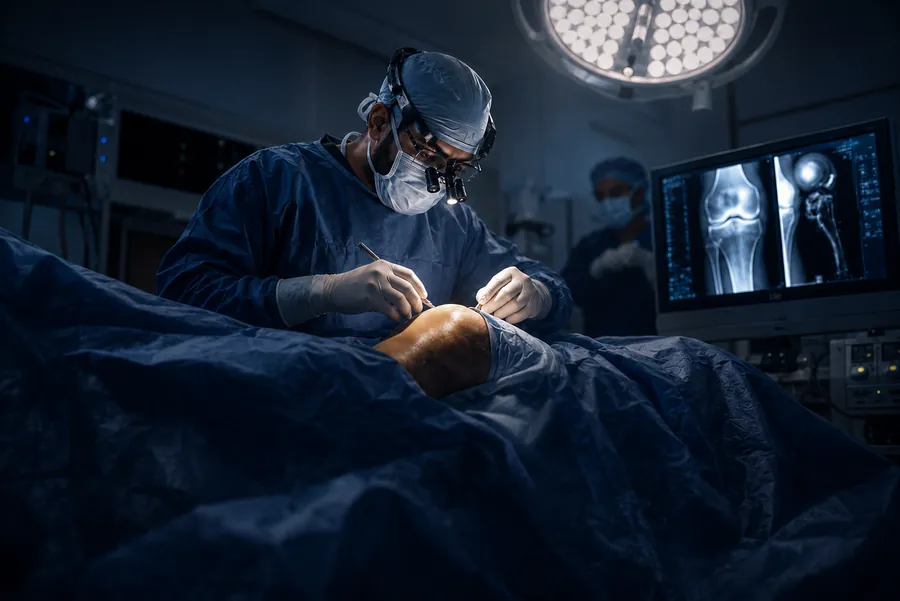
Prompt assessment, stable fixation, and a clear plan for getting the limb working again.
Discuss
your rehab.
Bring your previous X-rays, MRI films and reports if you have them. If you do not, we will start from the beginning.