
Spine · 07
Spine &
Back Pain
Mechanical back pain, sciatica and disc problems assessed properly, then treated with movement first.
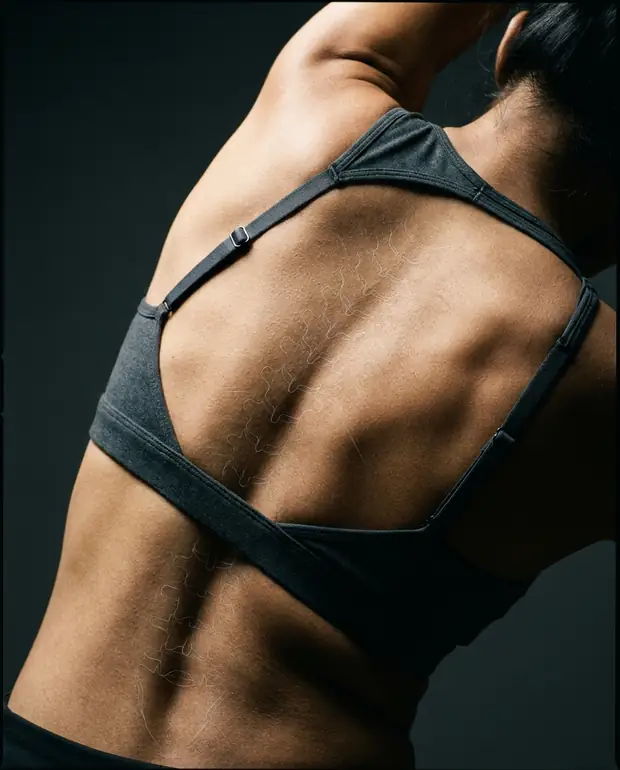
Most back pain is mechanical. It comes from load, posture, deconditioning and long hours in one position, and it improves with graded movement rather than rest.
Related reading: Back pain warning signs you must not ignore →
A smaller group of patients have nerve compression, where pain travels down the leg with numbness or weakness. Separating these two groups early prevents both unnecessary scans and missed problems.
Symptoms we look for
- Pain across the lower back, worse after sitting or driving
- Pain radiating into the buttock, thigh, calf or foot
- Numbness, tingling or a heavy feeling in the leg
- Stiffness on getting out of bed that eases with movement
- Pain on coughing, sneezing or bending forward
When to see an orthopaedic specialist
- Leg pain is worse than back pain, or is spreading
- There is weakness, foot dragging or persistent numbness
- Pain follows a fall, or occurs with fever or unexplained weight loss
- There is any difficulty controlling the bladder or bowels, which is an emergency
- Pain has not improved after four to six weeks of sensible self-care
Named beforeit is treated.
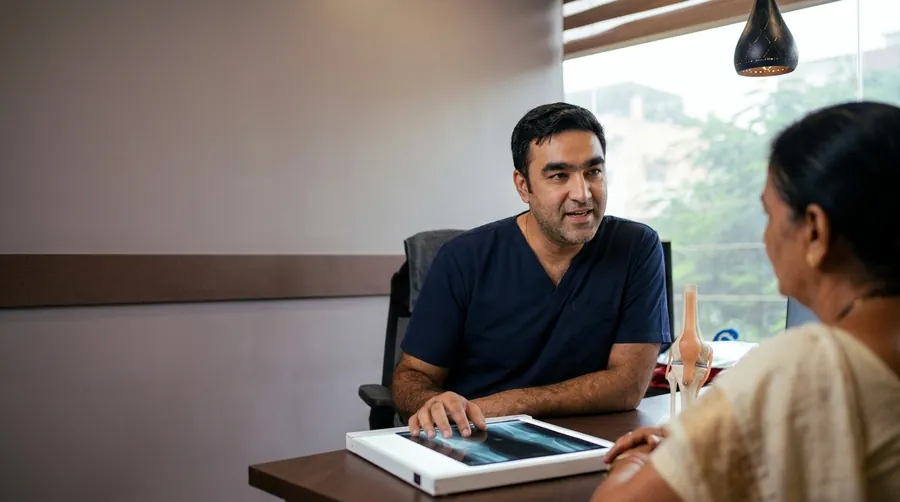
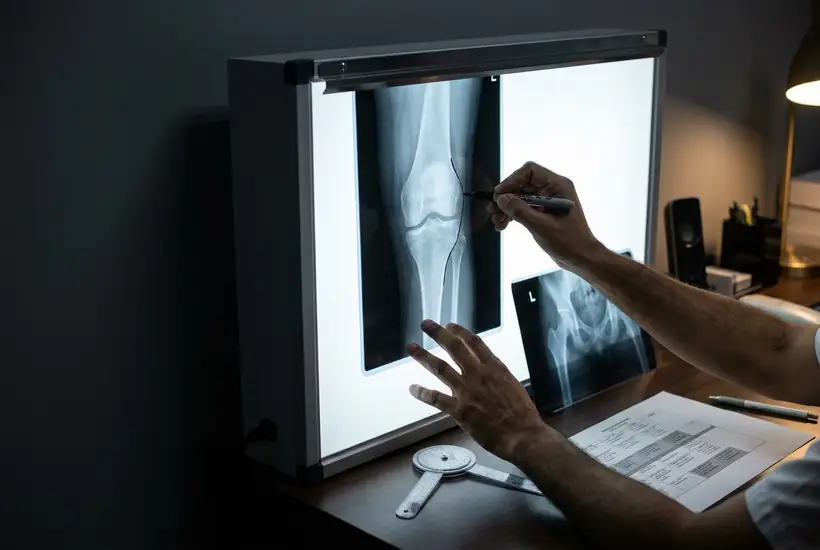
Imaging is requested where it will change the decision, and the findings are shown to you on screen.
- Neurological examination of power, sensation and reflexes
- Movement testing to identify the directions that ease or provoke pain
- X-rays where alignment, instability or arthritis is suspected
- MRI where nerve compression is suspected or symptoms persist
- Screening for hip pathology, which frequently mimics back pain
Non-surgicalcare first.
- Graded activity, walking programme and load management
- Core and hip strengthening under physiotherapy guidance
- Workstation, driving posture and lifting technique advice
- Short-term medication for a painful episode
- Selected injections for persistent nerve-related pain
Surgicaloptions.
- Referral pathway for microdiscectomy in persistent nerve compression
- Decompression for significant spinal canal narrowing
- Stabilisation for instability or fracture
- Fracture management for osteoporotic vertebral collapse
Acute episodes typically settle substantially within two to six weeks when movement is kept going.
Acute episodes typically settle substantially within two to six weeks when movement is kept going. The aim of treatment is to shorten the episode and reduce how often it returns.
Where nerve pain has been present for a long time, sensation can take longer to normalise than pain. A maintenance programme, not a single course of treatment, keeps the back reliable.
Timelines are typical rather than guaranteed. Your own plan is set at consultation.
Frequentquestions.
Do I need an MRI for back pain?
Usually not at first. MRI is valuable when there is leg pain with neurological signs, when symptoms persist, or when surgery is being considered. Early scanning of simple mechanical pain often shows changes that do not explain the symptoms.
Is bed rest helpful?
Beyond a day or two, no. Prolonged rest weakens supporting muscles and slows recovery. Gentle, frequent movement within tolerance works better.
Will a disc prolapse need surgery?
Most settle without it. Surgery is considered for severe or progressive weakness, unrelenting nerve pain despite treatment, or bladder and bowel involvement.
Can I keep working with back pain?
In most cases yes, with adjustments to sitting time, lifting and travel. Complete withdrawal from activity tends to prolong the problem.
Related care
Rehabilitation
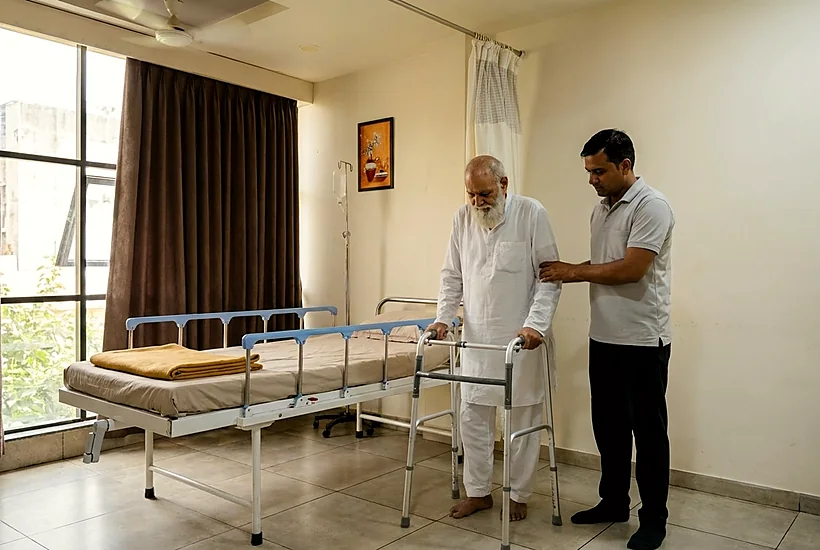
The part that decides the result: supervised, measured recovery after injury and surgery.
Joint Replacement
Knee and hip replacement planned around your own anatomy, with rehabilitation that starts on day one.

Knee Care
Precision diagnosis and treatment designed to restore confident movement, from early arthritis to sports injury.
Discuss
your spine.
Bring your previous X-rays, MRI films and reports if you have them. If you do not, we will start from the beginning.