





Shoulder · 06
Shoulder
Care
Rotator cuff, frozen shoulder and instability: diagnosed precisely, treated in the right order.
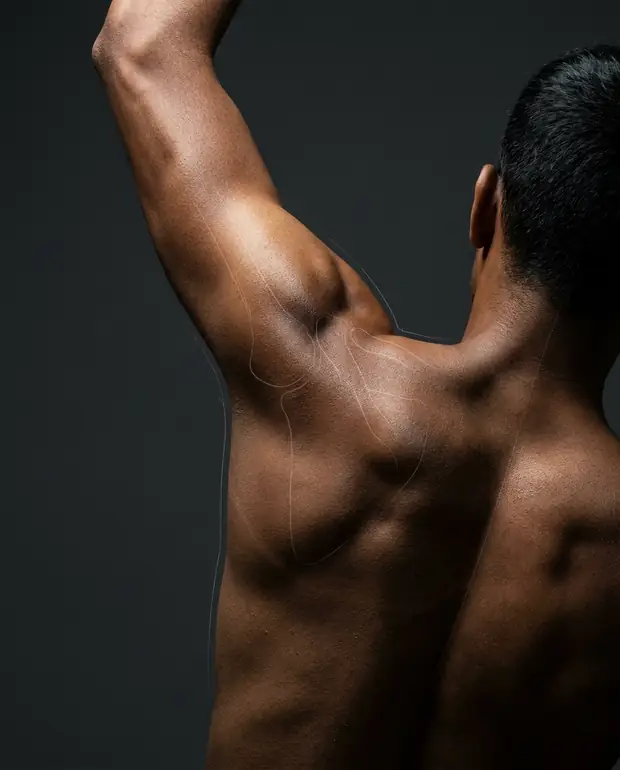
The shoulder trades stability for range, which is why it is both the most mobile joint in the body and the easiest to irritate. Cuff tendon problems, capsular stiffness and instability feel similar to patients but behave very differently.
Related reading: Frozen shoulder: how long recovery really takes →
Sequence matters here. A stiff shoulder needs motion before strength, and an unstable shoulder needs control before load. Treating them in the wrong order is why some shoulders stay sore for years.
Symptoms we look for
- Pain reaching overhead, behind the back, or across the body
- Night pain, especially lying on the affected side
- Progressive loss of rotation over weeks to months
- Weakness lifting or holding objects away from the body
- A sense that the shoulder slips or catches
When to see an orthopaedic specialist
- Pain has not improved after four to six weeks
- You cannot lift the arm after a fall or dislocation
- The shoulder has dislocated more than once
- Rotation is being lost steadily, particularly with diabetes
- Night pain is disturbing sleep regularly
Named beforeit is treated.
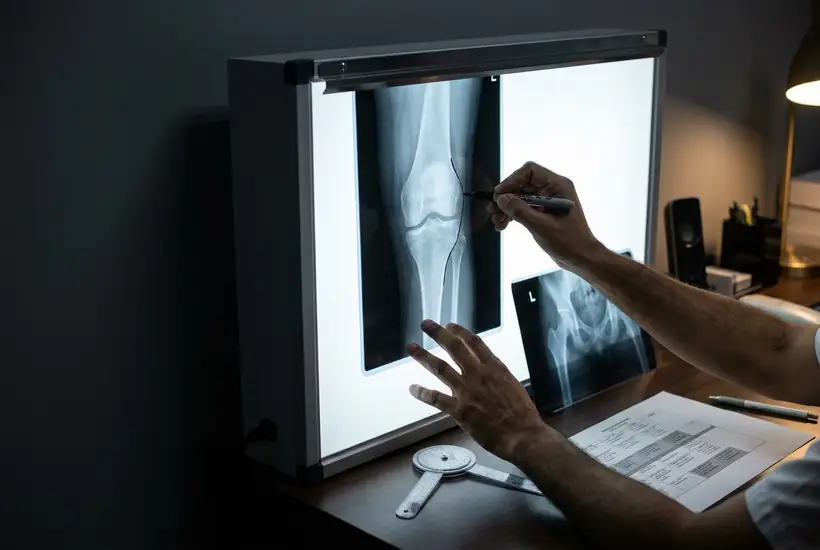
Imaging is requested where it will change the decision, and the findings are shown to you on screen.
- Range of motion measured actively and passively, both sides compared
- Specific cuff, impingement and instability tests
- X-rays for bony anatomy, calcification and arthritis
- Ultrasound or MRI where a cuff or labral tear is suspected
- Screening for diabetes and thyroid disorder in frozen shoulder
Non-surgicalcare first.
- Staged physiotherapy: mobility first, then rotator cuff strengthening
- Image-guided injection to break a pain and stiffness cycle
- Posture and scapular control retraining
- Activity modification for overhead work and gym training
Surgicaloptions.
- Arthroscopic rotator cuff repair
- Subacromial decompression
- Arthroscopic capsular release for resistant frozen shoulder
- Labral repair and stabilisation for recurrent dislocation
- Shoulder replacement in selected arthritic shoulders
Frozen shoulder often improves over months with a consistent stretching programme, and injection can accelerate the comfortable phase.
Frozen shoulder often improves over months with a consistent stretching programme, and injection can accelerate the comfortable phase. Patience plus daily work beats intermittent intensive treatment.
After cuff repair, a sling protects the repair for several weeks, gentle motion begins early under guidance, and strengthening is added once healing allows. Full comfortable overhead use commonly takes four to six months.
Timelines are typical rather than guaranteed. Your own plan is set at consultation.
Frequentquestions.
Will my frozen shoulder get better on its own?
Many cases do improve over one to two years, but usually with residual stiffness if left alone. Guided stretching, and injection where appropriate, shortens the painful phase and protects range.
Does a rotator cuff tear always need surgery?
No. Small degenerate tears in older, less demanding shoulders often do well with rehabilitation. Repair is advised more strongly for acute traumatic tears and significant weakness.
My shoulder keeps dislocating. What now?
Recurrent dislocation in a young patient usually reflects structural damage to the labrum or bone, and arthroscopic stabilisation is often recommended to prevent further episodes.
Can I go to the gym with shoulder pain?
Often yes, with modification. Overhead pressing and behind-the-neck movements are usually paused first, while controlled pulling and rotation work is continued.
Related care
Arthroscopy
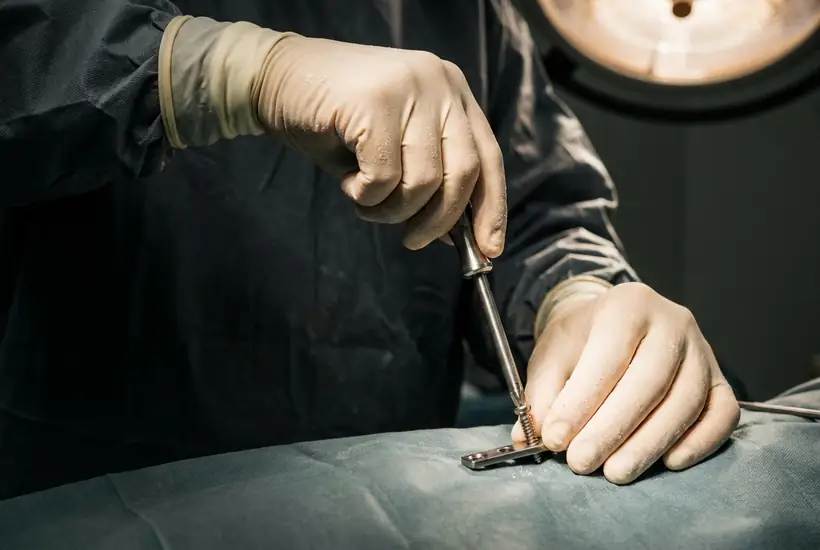
Keyhole surgery that lets us see inside the joint, repair what is torn and protect what is still healthy.

Sports Injury Care
From cricket and kabaddi to gym training and running: accurate diagnosis, honest timelines, and a tested return to play.
Rehabilitation
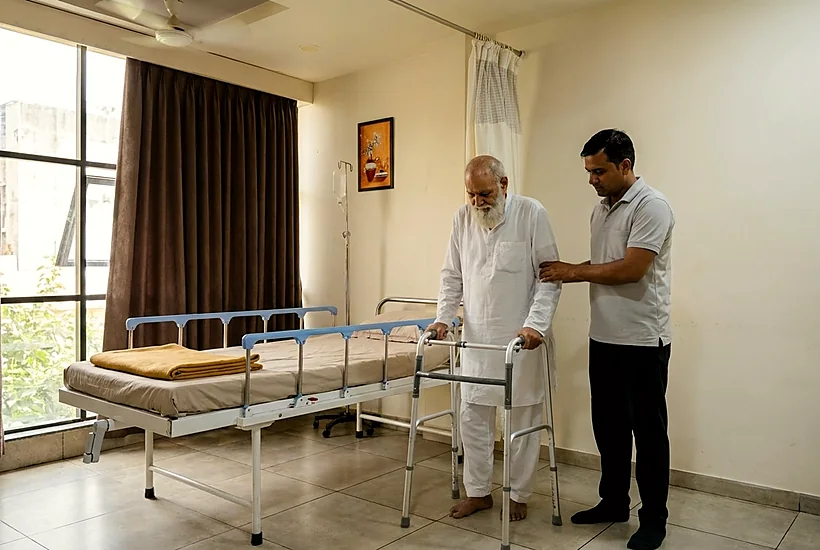
The part that decides the result: supervised, measured recovery after injury and surgery.
Discuss
your shoulder.
Bring your previous X-rays, MRI films and reports if you have them. If you do not, we will start from the beginning.