

Insights · Sports injury
ACL tear: surgery
or physiotherapy?
Not every torn ligament needs an operation, and not every knee is safe without one. The decision depends on the knee, the sport and the person.
The question is not whether the ligament is torn. It is whether your knee is stable in the life you intend to lead.
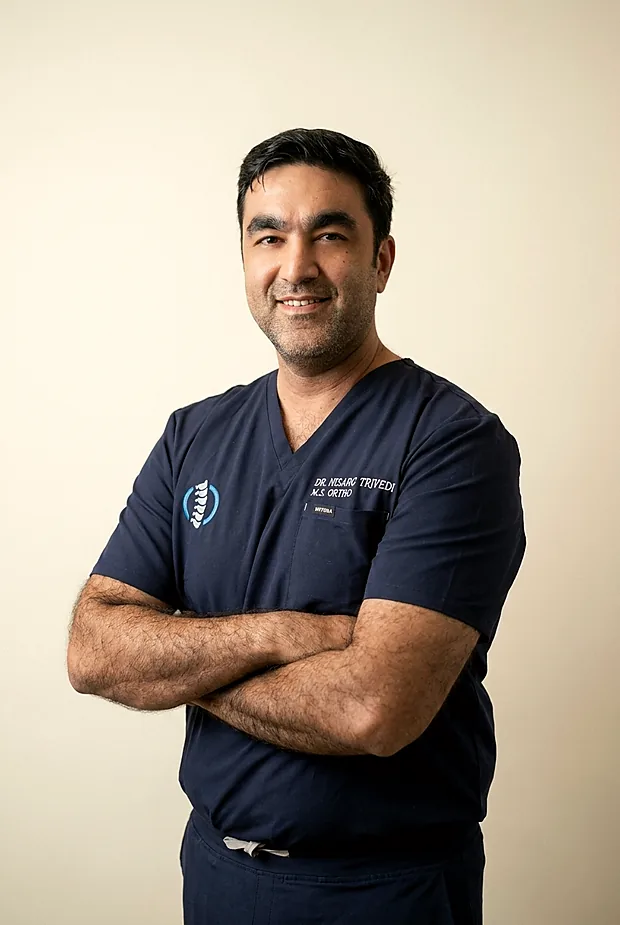
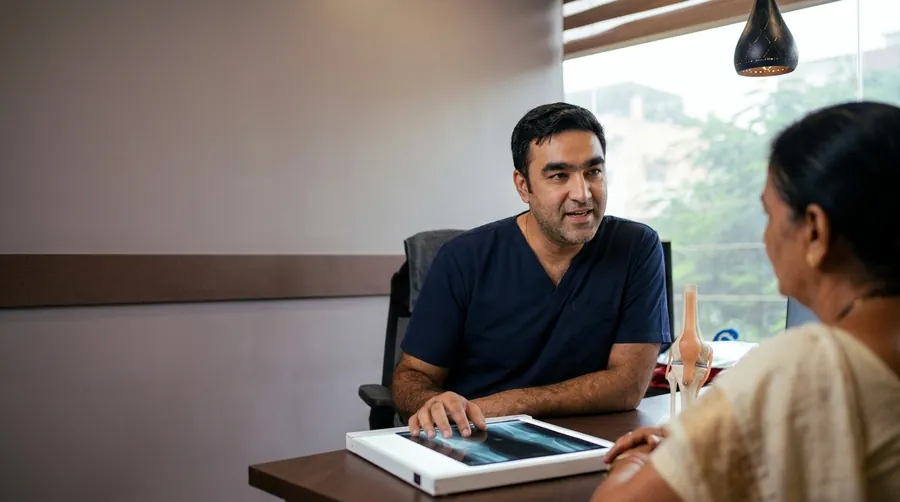
Reviewed by Dr. Nisarg Trivedi, M.S. Orthopaedics · Vishwas Orthopaedic Hospital, Bharuch
Key points
- A pop, immediate swelling and a feeling of the knee giving way are typical
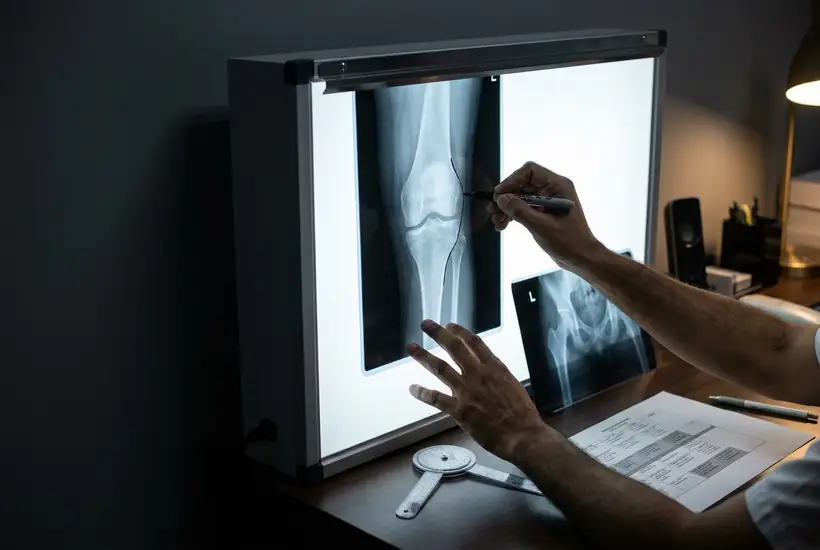
- Examination detects most ACL tears; MRI confirms and checks the meniscus
- Reconstruction is usually advised for pivoting sport or repeated instability
- Structured rehabilitation suits some low-demand knees with no instability
- Return to sport is decided by strength testing, not by the calendar
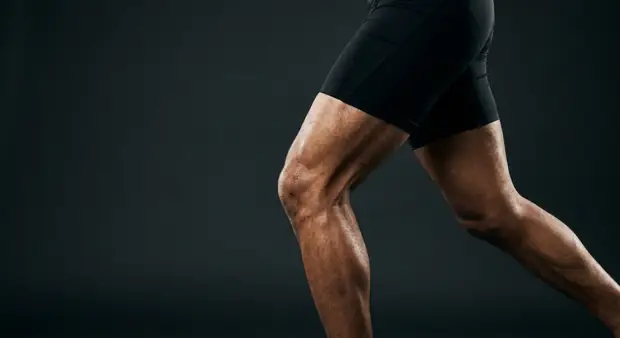
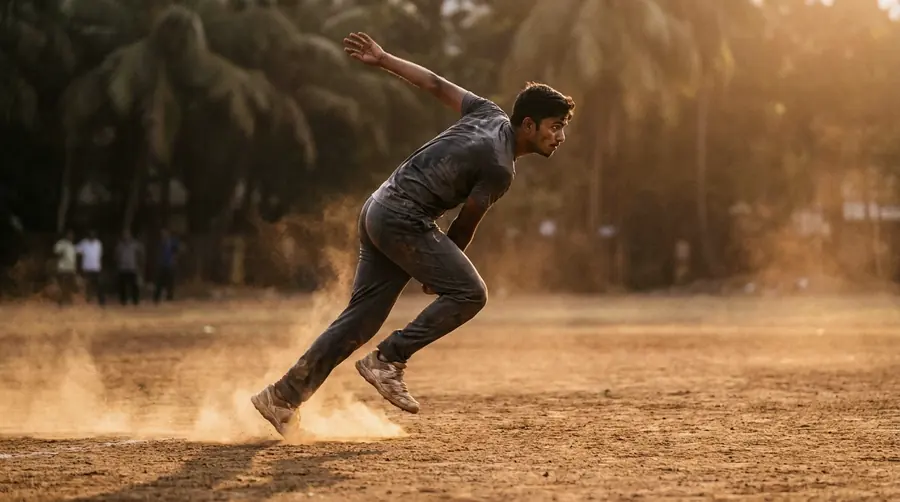
The anterior cruciate ligament sits inside the knee and stops the shin sliding forward and rotating on the thigh bone. It tears most often in cricket, football, kabaddi, badminton and volleyball, and increasingly in gym training, usually without contact: a plant, a twist, a sudden change of direction.
Patients frequently arrive with an MRI report and a single question. Do I need surgery? The honest answer is that the report alone cannot decide it.
How the decisionis made.
What is examined
- Whether the knee shifts abnormally on specific ligament tests, compared with the other side
- Whether the meniscus is also torn, which changes the plan significantly
- Whether full straightening and bending have returned
- How much quadriceps strength has already been lost
- What the knee is required to do: pivoting sport, physical work, or ordinary daily life
When reconstruction is usually advised
- You intend to return to sport involving pivoting, jumping or sudden direction change
- The knee gives way during normal activity, not only during sport
- A repairable meniscal tear is present that needs a stable knee to heal
- Your work demands ladders, uneven ground or carrying loads
- You are young, active, and would otherwise accept years of instability
When rehabilitation alone is reasonable
- The knee is stable on examination and in daily use
- Your activity is largely straight-line: walking, cycling, swimming, gym work
- There is no meniscal tear that requires protection
- You are willing to complete a genuine strengthening programme, not a token one
Delaying surgery is not the same as avoiding it. Some patients begin with rehabilitation, regain a stable knee and never need reconstruction. Others discover during rehabilitation that the knee still shifts, and proceed to surgery with better strength than they would have had immediately after the injury.
Recovery,either way.
If you have reconstruction
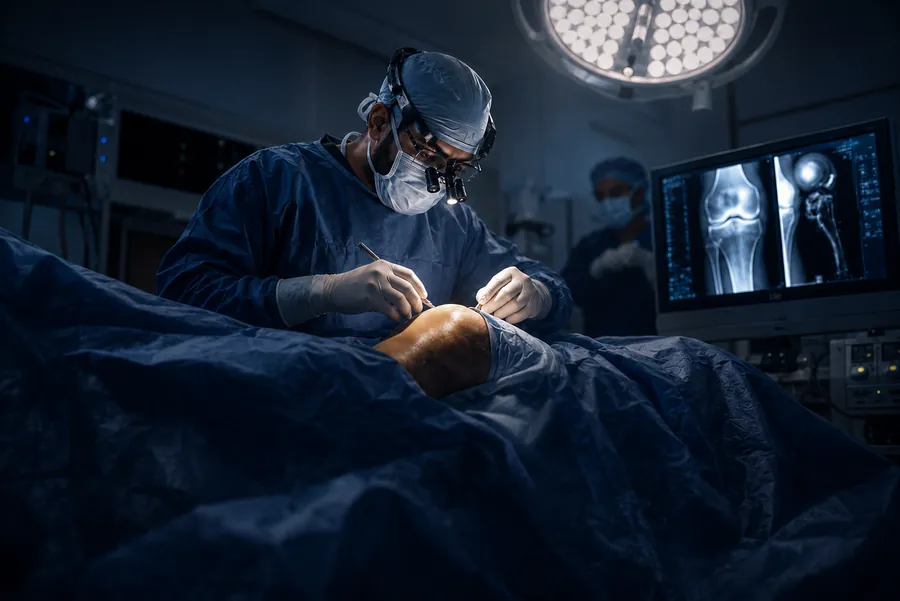
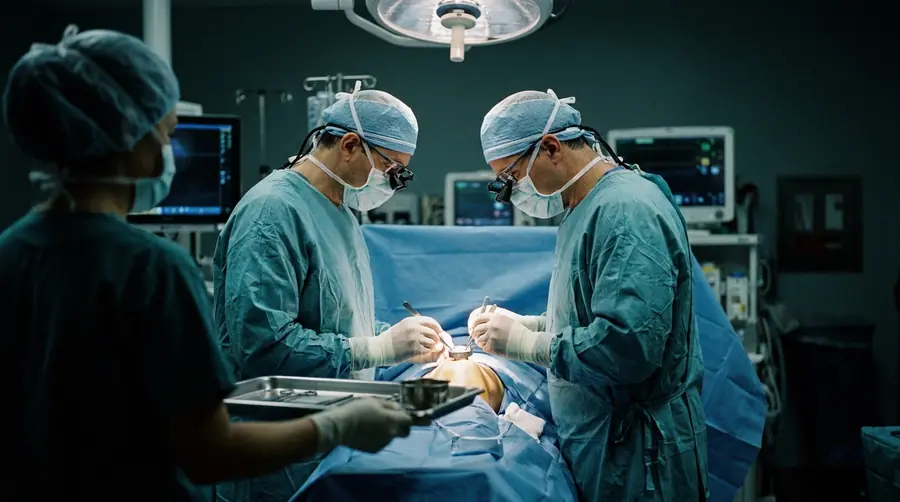
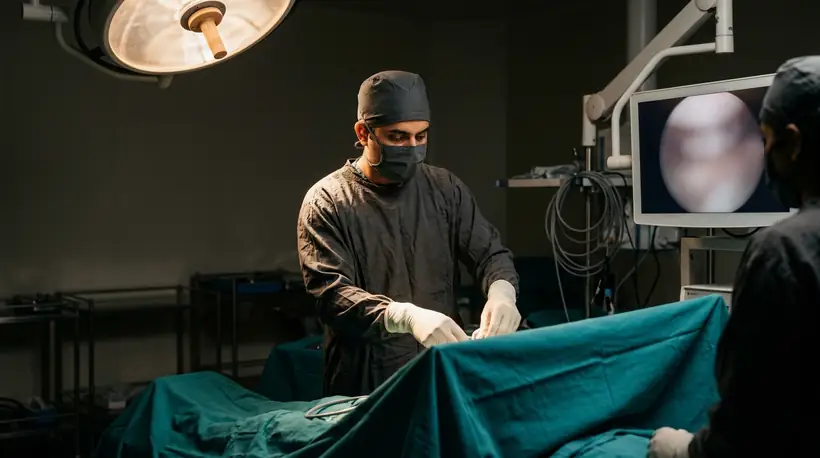
The ligament is rebuilt using your own tissue through keyhole incisions, usually as a day-care or single-night procedure. Walking begins almost immediately, often with a brace and crutches for a short period. Bending and straightening are restored first, strength second, agility third.
- Weeks 0 to 2: swelling control, full straightening, quadriceps activation
- Weeks 2 to 6: normal walking pattern, progressive bending, cycling
- Weeks 6 to 12: strength work, balance and single-leg control
- Months 3 to 6: running, then change of direction under supervision
- Months 9 to 12: return to competitive pivoting sport, once strength testing allows
If you choose rehabilitation
The programme is not gentler, only different. It targets quadriceps and hamstring strength, hip control and landing mechanics over three to six months, with regular reassessment. If instability persists despite honest effort, that finding itself is the answer.
Why the meniscus matters so much
An unstable knee wears its cartilage. Where a repairable meniscal tear exists alongside an ACL tear, protecting the meniscus is often the stronger argument for reconstruction than the sport itself, because the meniscus is what defends the joint from arthritis in later decades.
Recovery timelines vary between individuals and are guided by testing rather than dates.
Frequentquestions.
Can a torn ACL heal on its own?
A completely torn ACL does not usually heal back to its original strength. Some partial tears function well after rehabilitation, which is why examination matters as much as the scan.
How soon after injury should surgery be done?
Rarely immediately. Most surgeons prefer the swelling to settle and movement to return first, typically two to six weeks, which reduces stiffness afterwards. Urgent surgery is reserved for specific injuries such as a locked knee.
Will my knee be as good as before?
Many patients return to their previous level of activity, but this depends on the graft, the rehabilitation and whether other structures were injured. Guarantees are not appropriate for any ligament surgery.
Is a brace an alternative to surgery?
A brace can help confidence and support certain activities, but it does not restore the ligament. It is best used as part of a rehabilitation plan rather than a permanent substitute.
Related care
Injured your knee playing?
An early examination protects the meniscus and prevents months of uncertainty, whether or not surgery turns out to be necessary.