







Insights · Spine
Back pain: which
signs need a
specialist
Most back pain improves within weeks without scans or surgery. A small number of symptoms change that entirely, and they are worth knowing.
The scan is not the diagnosis. Most discs bulge with age, and most of those bulges are silent.
Reviewed by Dr. Nisarg Trivedi, M.S. Orthopaedics · Vishwas Orthopaedic Hospital, Bharuch
Key points
- Most episodes of low back pain settle within four to six weeks
- Pain radiating below the knee suggests nerve involvement
- Weakness, numbness or bladder changes need urgent assessment
- Bed rest beyond a day or two delays recovery
- Surgery is needed in only a small minority of cases
Back pain is close to universal. Long commutes, desk work, two-wheeler travel on uneven roads, lifting children and sedentary evenings all contribute. The good news, repeated in study after study, is that the majority of episodes settle within four to six weeks with sensible activity and simple measures.
The purpose of an orthopaedic assessment is therefore not to scan everyone. It is to separate the common, self-limiting episode from the small number of presentations that need prompt attention.
Signs thatchange things.
Seek assessment urgently
- Weakness in the leg or foot, such as difficulty lifting the front of the foot
- Numbness around the inner thighs, buttocks or genital area
- Difficulty passing urine, or loss of control of bladder or bowel
- Back pain following a significant fall or road accident
- Fever with back pain, or pain with unexplained weight loss
- Severe night pain unrelieved by position change
Arrange assessment soon
- Pain radiating below the knee, particularly with tingling
- Pain persisting beyond four to six weeks despite sensible measures
- Repeated episodes that are becoming more frequent
- Pain that limits walking distance and eases only when you sit or bend forward
- Symptoms in someone with osteoporosis or long-term steroid use
Why imaging is not the first step
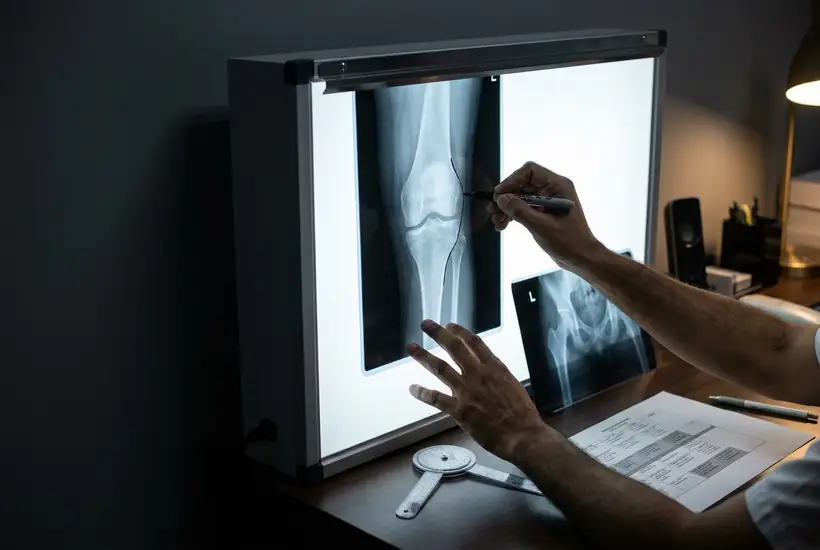
Disc bulges and degenerative changes appear on the MRI scans of a large proportion of people with no pain at all. Scanning too early frequently identifies findings that are incidental, which leads to anxiety and sometimes to treatment aimed at the wrong target. Imaging is valuable when there are warning signs, when symptoms persist, or when a procedure is being considered.
What helpsmost.
In the first two weeks
- Keep moving. Short, frequent walks are better than bed rest, which weakens supporting muscles
- Use heat, and simple pain relief as advised, to allow movement rather than replace it
- Adjust rather than abandon activity: avoid prolonged sitting, break up long journeys
- Sleep in whatever position is comfortable, with a pillow under the knees if lying on your back
Beyond two weeks
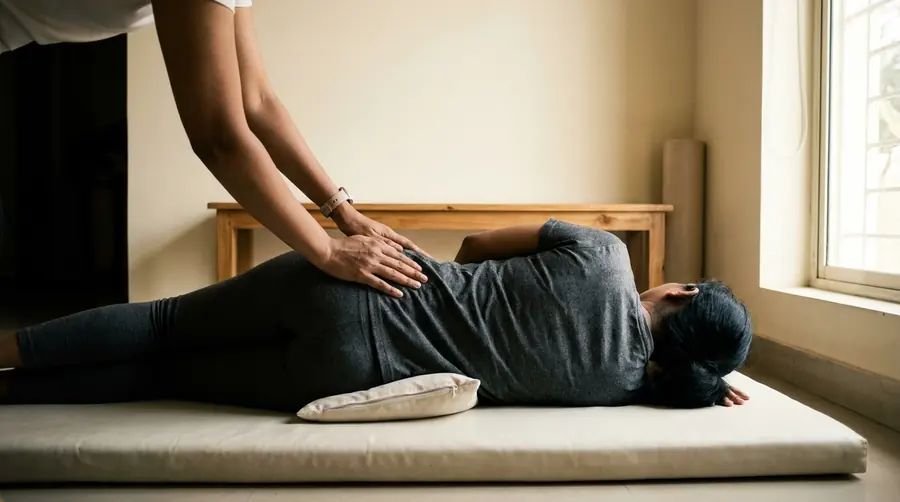
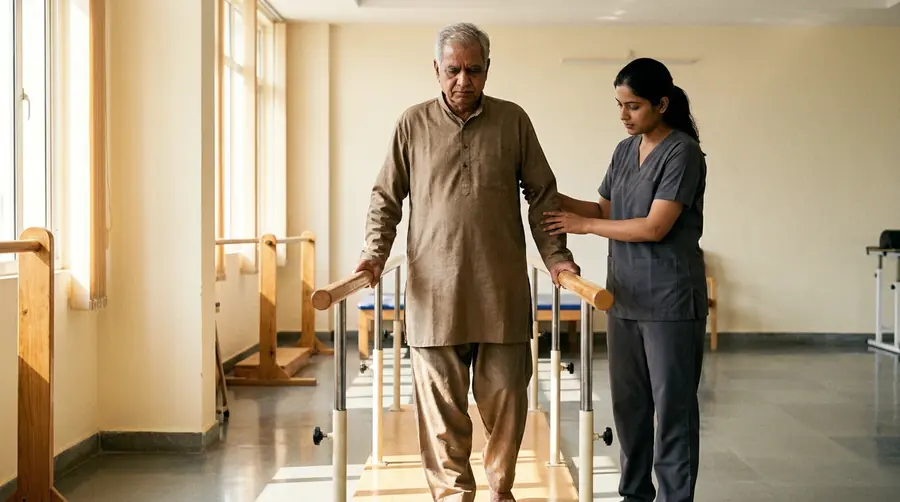
- Structured physiotherapy focused on core and hip strength, not passive treatment alone
- Workstation and two-wheeler posture review, since the load repeats daily
- Progressive walking programme, with distance recorded so improvement is visible
- Targeted injections for specific nerve-related pain, where indicated
When surgery is considered
Surgery is reserved for a minority: significant or progressive nerve compression, instability, or pain and disability that persist despite proper non-surgical care. When it is genuinely indicated, results for nerve-related leg pain are generally good. For back pain alone, the case is more nuanced and deserves a careful discussion.
This article is educational. Any red-flag symptom should prompt prompt medical assessment rather than waiting.
Frequentquestions.
Does a disc bulge on my MRI mean I need surgery?
Usually not. Disc bulges are common findings in people without pain. Treatment is directed by symptoms and examination, with the scan used as supporting information.
Is complete bed rest useful for back pain?
No. More than a day or two of bed rest tends to slow recovery. Gentle continued activity within comfort produces better outcomes.
Can back pain come from the hip?
Yes. Hip arthritis can present as buttock and thigh pain that is mistaken for a spine problem, which is one reason examination covers both.
What exercises are safe when my back hurts?
Walking, gentle range of movement and core activation are usually safe. Heavy lifting and repeated end-range bending are best avoided until assessed, because the safe programme depends on the diagnosis.
Related care
Back pain that will not settle?
If pain has lasted more than a few weeks, or radiates into the leg, an examination will tell you whether imaging is even necessary.